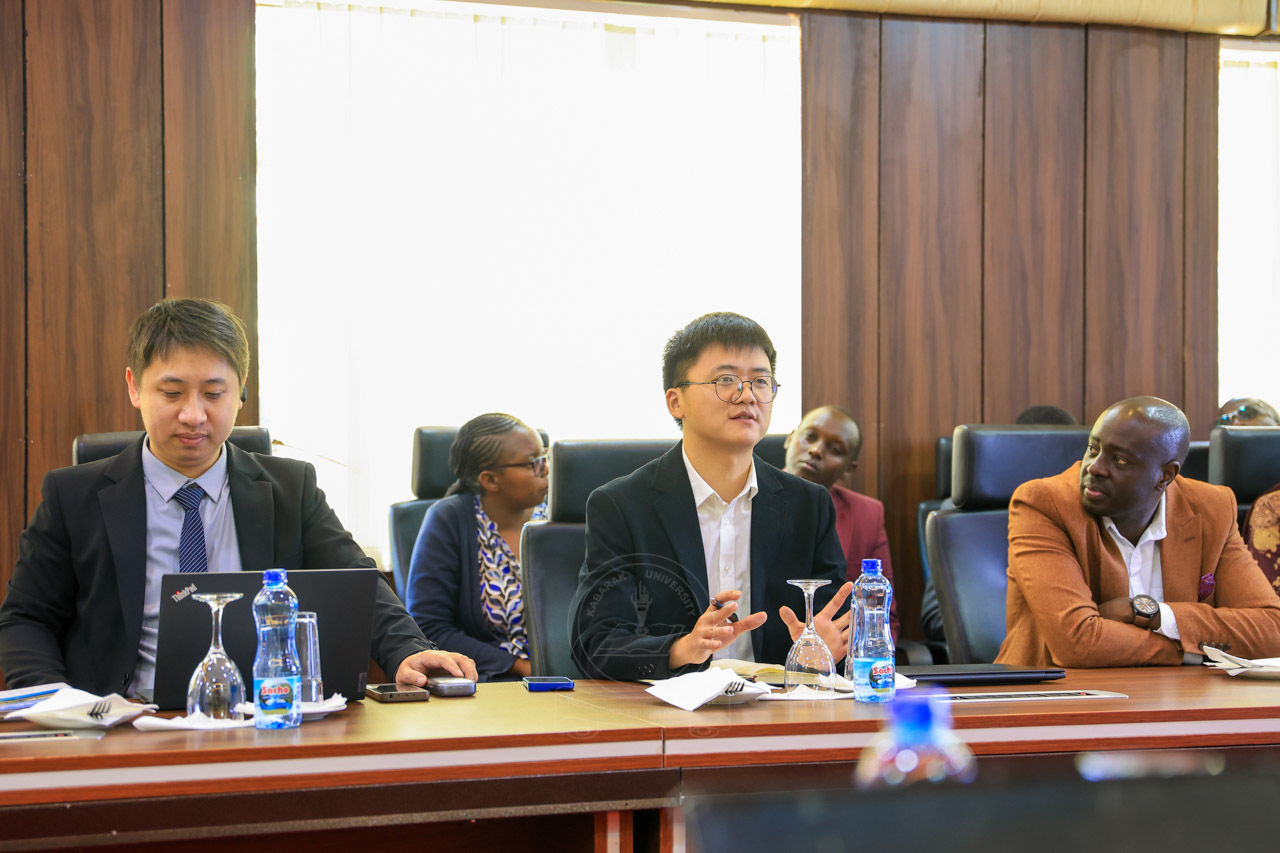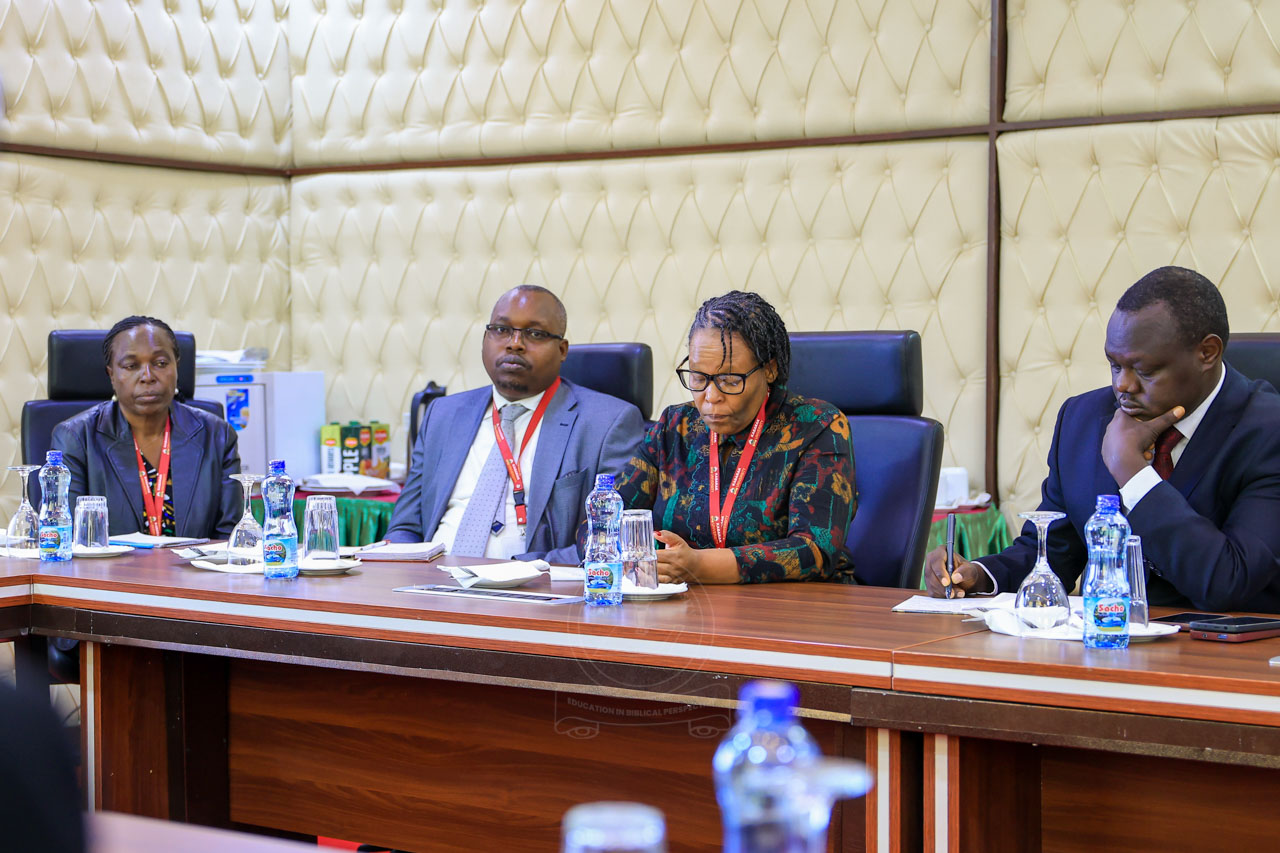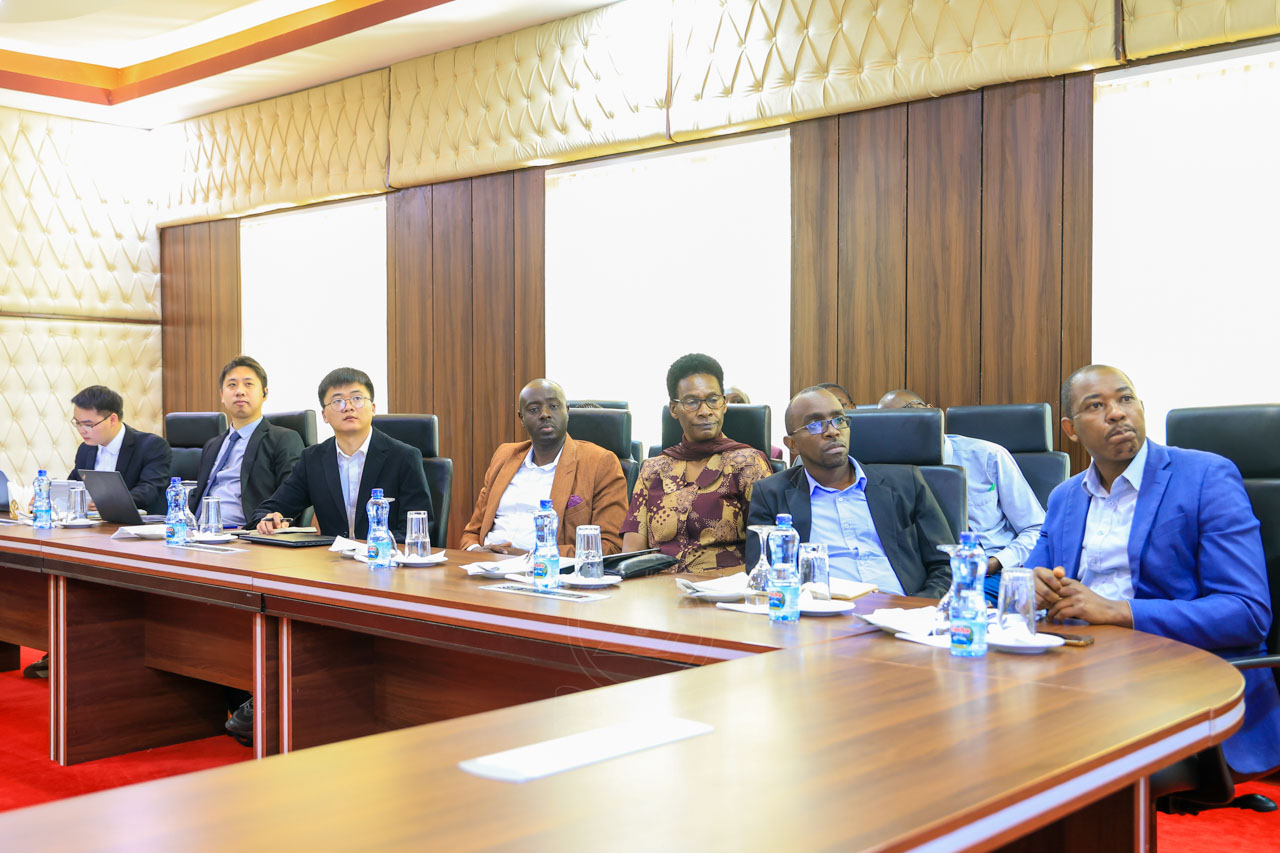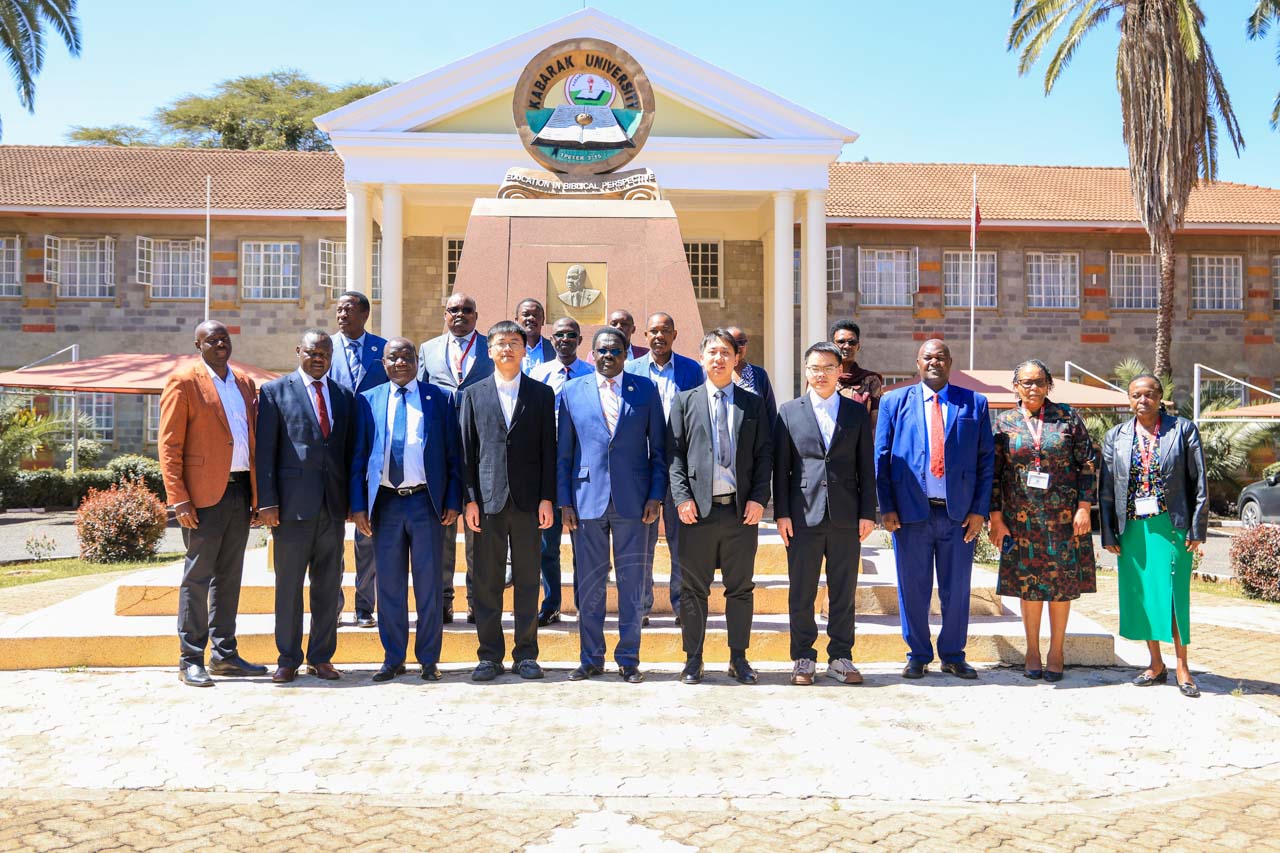
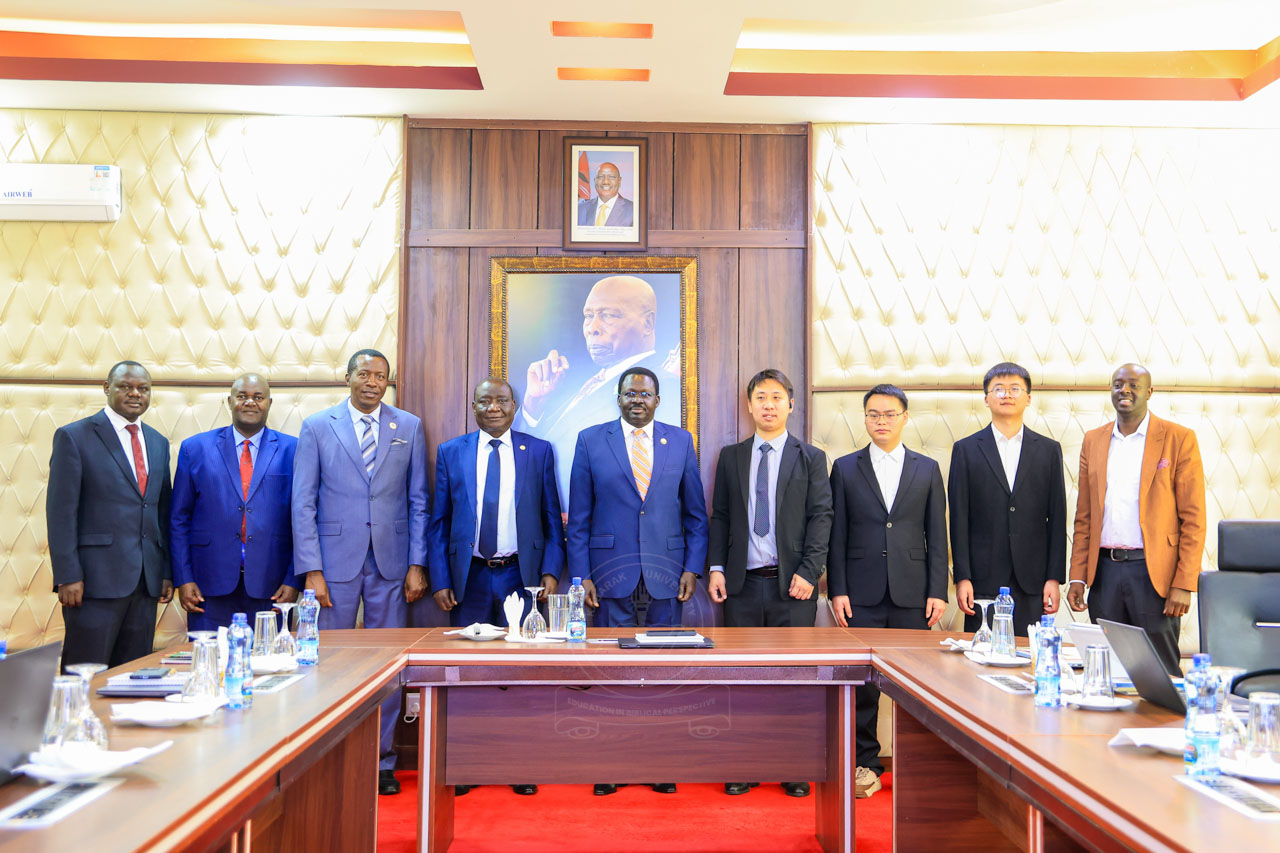
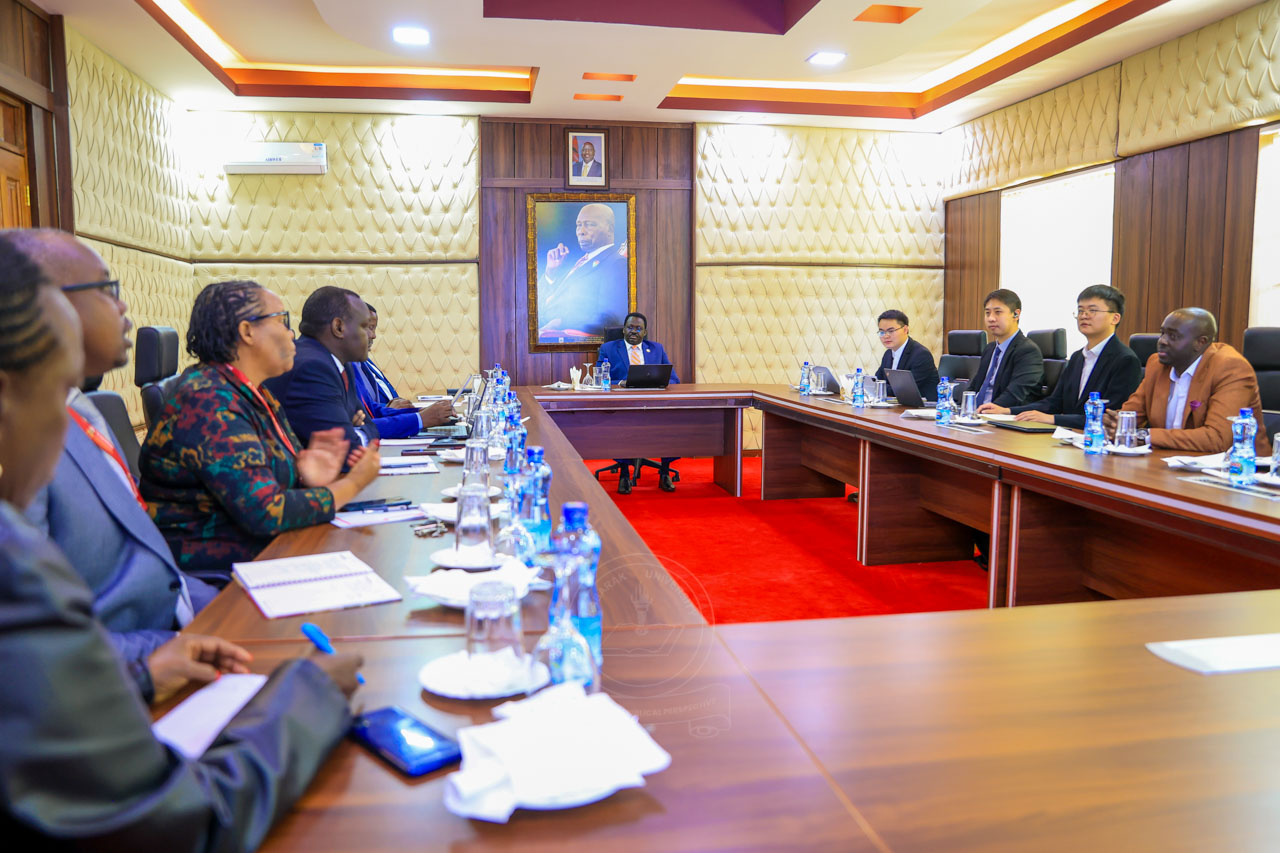
The Vice-Chancellor, Prof. Henry K. Kiplangat, hosted a distinguished delegation from China s Yangtze River Pharmaceutical Group (YRPG) for a strategic engagement themed Building Kenya s Pharmaceutical Sovereignty: A Strategic Gateway. The delegation was led by Mr. Zach Zhaojin, Africa Business Director of YRPG. This milestone meeting focused on resource exchange and the expansion of global academic industry linkages, marking a significant advancement in the University s mission to deliver world-class education grounded in a Biblical perspective.

Prof. Kiplangat emphasized that the School of Pharmacy stands to be a primary beneficiary of this collaboration, which is poised to create invaluable internship and employment opportunities for outstanding students and faculty members. Through the integration of production, education, and research, the partnership will provide robust hands-on training for students enrolled in the Bachelor of Pharmacy and Master of Pharmacy (MPharm) in Pharmaceutical Manufacturing programmes. This experiential approach is designed to ensure that Kabarak University graduates are industry-ready and equipped with the advanced competencies required to thrive in the rapidly evolving global pharmaceutical landscape.
A key pillar of the collaboration is the establishment of a state-of-the-art Quality Control (QC) Laboratory alongside a Pre-formulation and Formulation Development Laboratory. The QC Laboratory will enable comprehensive analysis of raw materials and finished pharmaceutical products, supporting drug registration processes while significantly reducing reliance on external testing facilities. Complementing this, the Pre-formulation and Formulation Development Laboratory will function as a center for new product development for YRPG and its partners, while also serving as a specialized platform for advanced research and faculty capacity building.
Looking to the future, the partnership envisages the development of a Mini Pharmaceutical Manufacturing Unit and the establishment of a regional hub for bioequivalence studies in East Africa. Kabarak University brings to this collaboration a foundation of regulatory trust, academic rigor, and a sustainable professional talent pipeline essential for the long-term success of these initiatives. As both institutions work to bridge technological and capacity gaps, the partnership underscores a shared commitment to strengthening Kenya s pharmaceutical self-sufficiency while upholding the highest standards of academic and industrial excellence.