
Leading from the Front: Kabarak University and CIFOR-ICRAF Unpack the Landmark ICJ Advisory Opinion on Climate Change
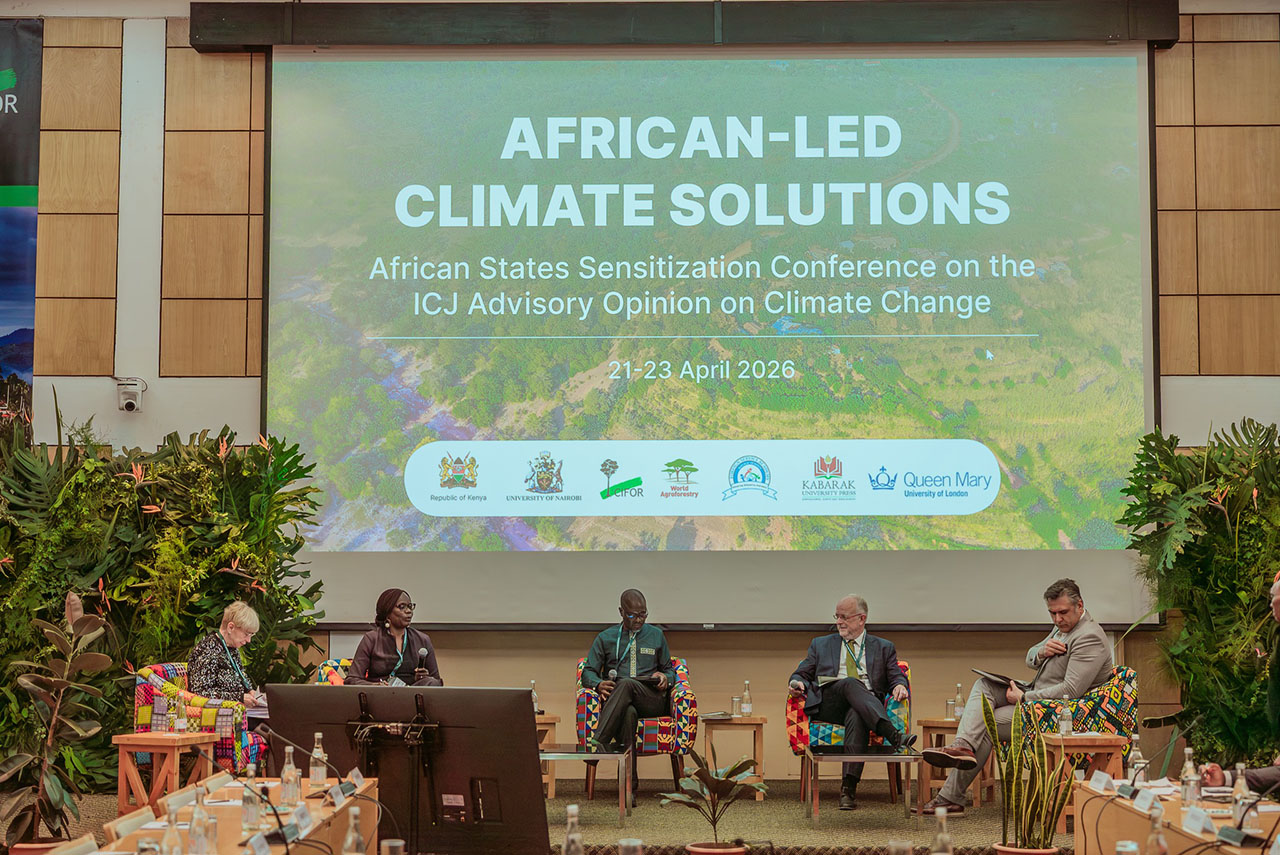
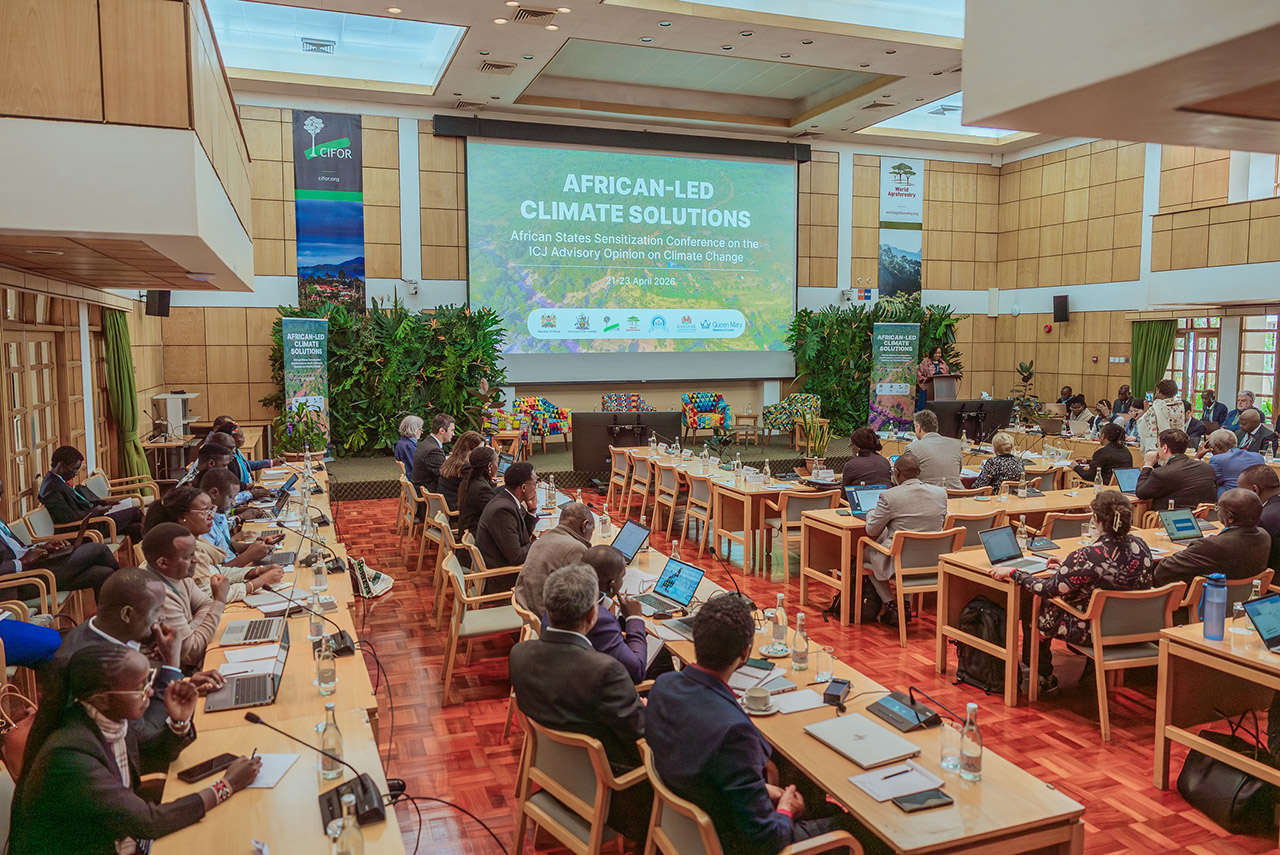
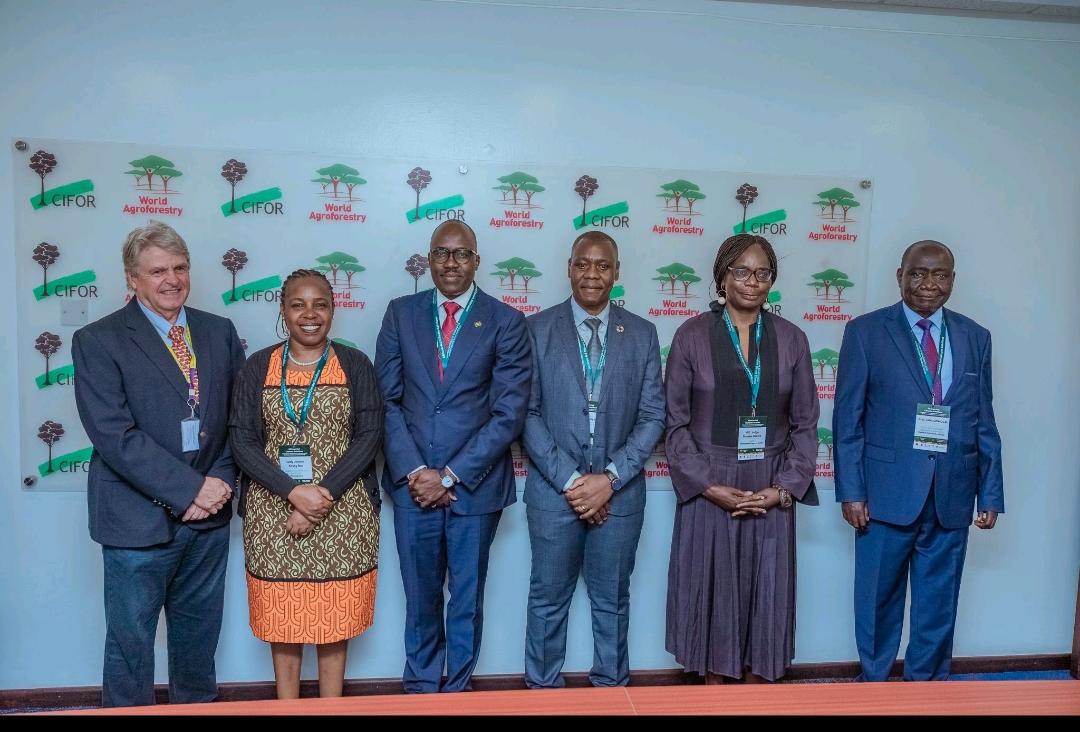
The fight for climate justice in Africa reached a pivotal milestone this week as Kabarak University, in a strategic partnership with the Centre for International Forestry Research (CIFOR-ICRAF), convened the African States Sensitisation Conference on the ICJ Advisory Opinion on Climate Change. The conference, held at the ICRAF Campus, marks a historic moment for the continent. It serves as a high-level platform to dissect the July 25, 2025, Advisory Opinion of the International Court of Justice (ICJ); a landmark ruling that has redefined the legal landscape of global climate obligations.
A Visionary Call to Action: The Vice-Chancellor’s Address
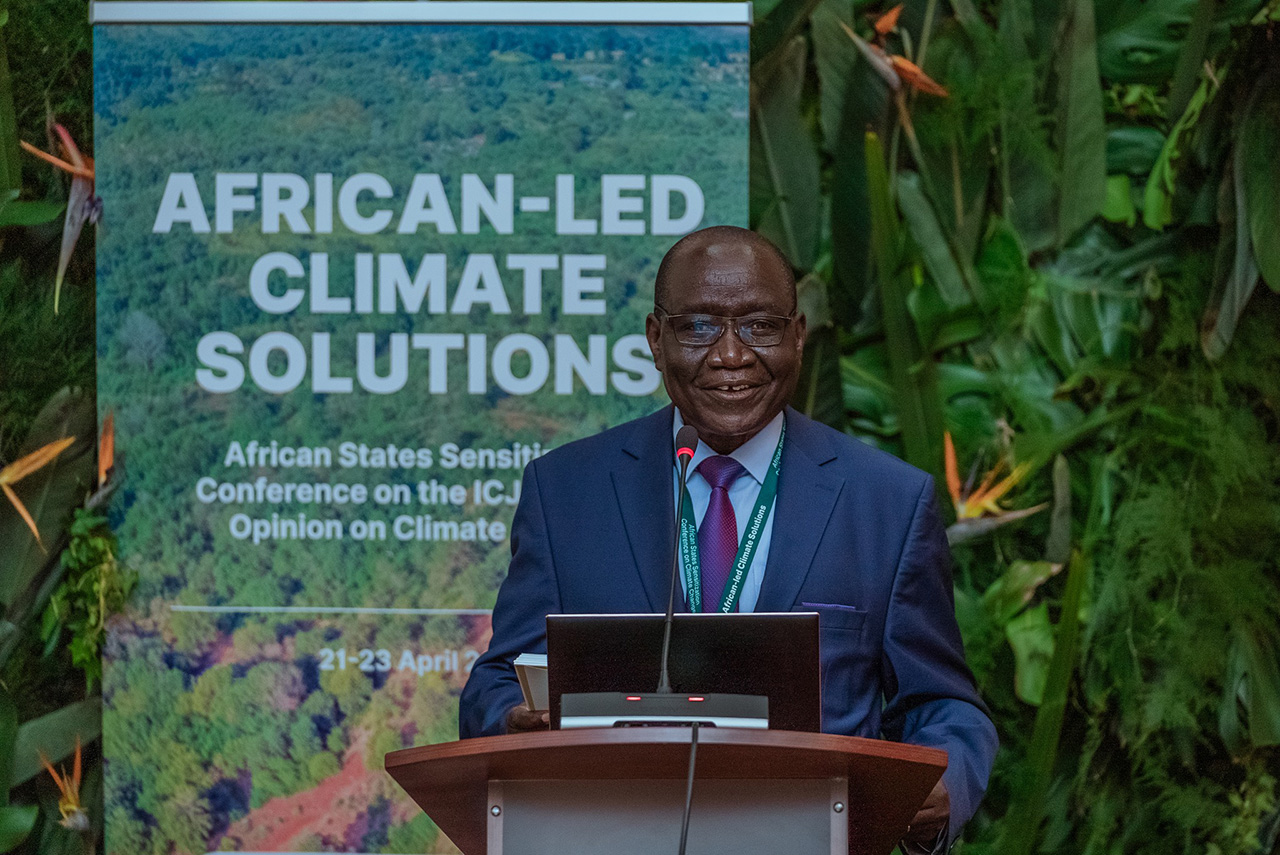
The opening ceremony was headlined by a powerful keynote address from Prof. Henry K. Kiplangat, Vice-Chancellor, Kabarak University. Delivered in absentia by Prof. John Ochola, the speech set a bold tone for the proceedings, framing the ICJ’s opinion not merely as a legal document, but as a mandate for African academic institutions. "African universities and research institutions must lead from the front," Prof. Kiplangat asserted. "It is no longer enough to teach in classrooms; we must produce the knowledge and empirical research that will drive policy and reorient our societies toward climate justice."
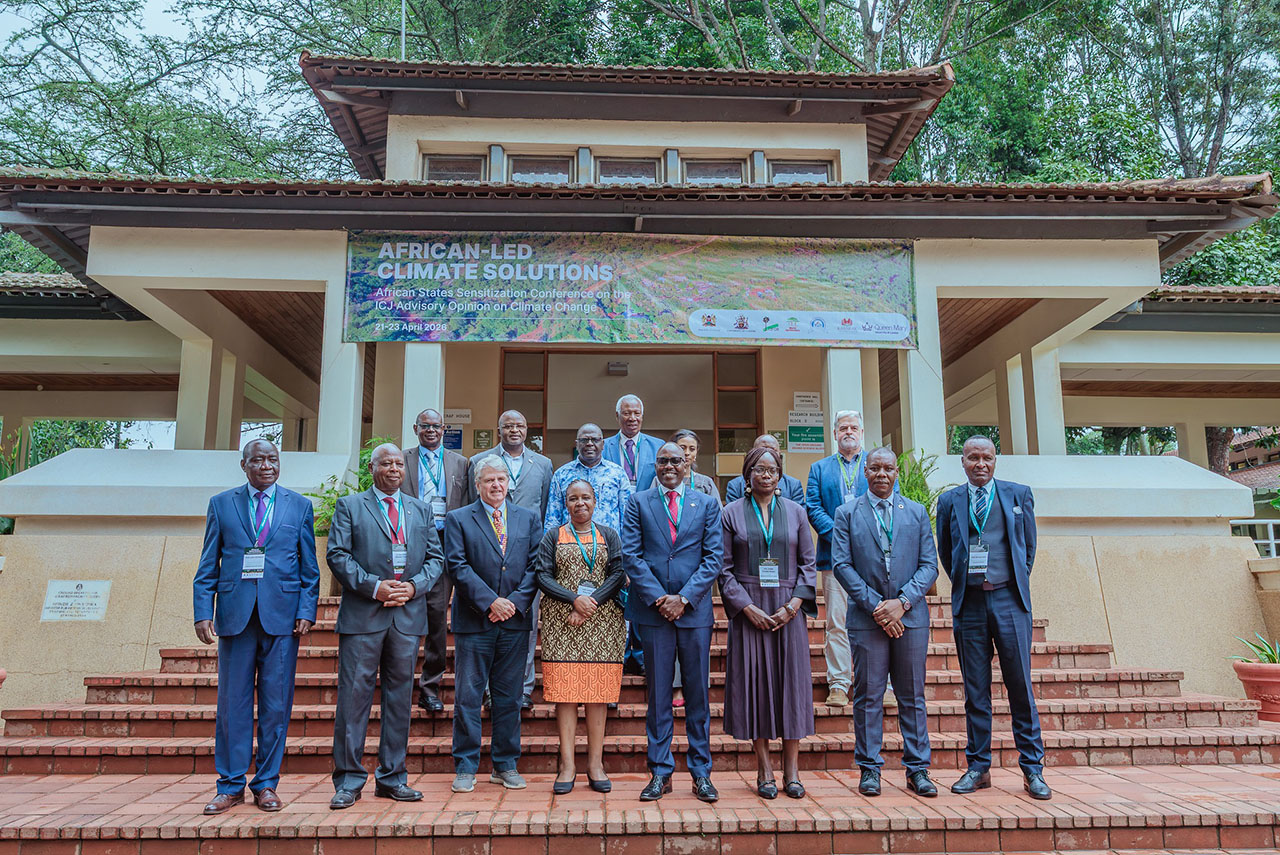
The Vice-Chancellor highlighted the inspirational origins of the Advisory Opinion, which began with the grassroots mobilization of twenty-seven law students from the University of the South Pacific, Vanuatu campus. He urged African educators to harness this same youthful passion to trigger systemic change. Prof. Kiplangat further emphasized that Kabarak University is practicing what it preaches, pointing to the institution’s transition to renewable energy and its emerging status as a green university under the guidance of Chancellor Hon. Dr. Gideon Moi.
Science Meets Law: The New Frontier
Day one of the conference focused on the Science-Law Nexus. Experts explored how the ICJ has now affirmed that the best available science defines binding legal obligations for States. This shift transforms climate change from a purely political debate into a rigorous matter of international law. This involves breaches of environmental obligations may now give rise to remedial measures and state liability. A critical dialogue emerged regarding the carbon budget available to African states, balancing the urgent need for development with global mitigation goals. The strengthening of the due diligence principle, ensuring states are held accountable for environmental damage that crosses borders. The role of science in particular was treated as central. It was stated that reliance on scientific evidence is necessary not only in climate law, but also in areas such as the law of the sea and human rights law. The opinion therefore reflected an integration of legal reasoning with scientific knowledge. Attention was also drawn to the obligations of states. Although many obligations were identified, precise duties were not always specifically defined. Nevertheless, a broad range of responsibilities was acknowledged. Concerns were raised regarding the limits of judicial scrutiny. Questions were posed as to how far courts should go in reviewing climate-related decisions and at what point judicial intervention may amount to overreach.
Navigating the Tensions of Climate Governance
A significant highlight was Plenary Session 2, titled "A New Frontier for the International Law of Climate Change." The panel identified three core tensions that African states must navigate: First, enforcement vs. sovereignty: Can legal rulings genuinely compel state behaviour in a system that often relies on consent? Secondly, equity vs. inequality: How can the principle of Common but Differentiated Responsibilities be protected so it isn't used by the Global North to mask unethical practices? Lastly, judicial overreach vs. accountability: Determining the limit of court intervention in democratic policy-making. The consensus was clear: while the ICJ Advisory Opinion is not a panacea for the political crises of climate change, it provides the authoritative guidance necessary to reshape legal practice and interdisciplinary engagement across the continent. With regard to the Paris Agreement, it was emphasised that states are under obligations to pursue the highest possible ambition in meeting temperature goals and implementing domestic policies. The Court was described as being clear that prevention of pollution and avoidance of environmental harm are legal obligations. Also the questions on the aspect of causation were considered complex, but the general framework of state responsibility continues to apply. The position was also elongated through the opinion may strengthen domestic legal enforcement of climate obligations. In practice, however, state responsibility remains difficult to implement because of issues such as jurisdiction, consent to the ICJ’s authority, and evidentiary thresholds.
Access to Justice for the Vulnerable
The conference did not shy away from the harsh realities facing African communities. Discussions underscored the procedural barriers such as high costs, evidentiary thresholds, and restrictive rules on standing, that prevent those most affected by climate change from seeking legal redress. The dialogue emphasized that for the ICJ opinion to produce tangible changes on the ground, there must be a move toward Public Interest Litigation and more flexible justice systems. This includes recognizing the rights of future generations and vulnerable populations, such as those in Nairobi and other urban centres facing environmental inequality.
Toward an African-Led Future
As the conference continues, the partnership between Kabarak University and CIFOR-ICRAF stands as a testament to the power of collaboration. By bridging the gap between scientific research and legal frame working, these institutions are ensuring that Africa is not just a participant in global climate talks, but a leader in defining the solutions.