
Every book begins with someone who believes they have something worth saying. Putting that thought on paper is one thing; finding an editor willing to shape it, a publisher willing to champion it, and readers willing to give it their time is quite another. Academic publishing presents an additional challenge: the people who most need to encounter a piece of scholarship may be the least likely to find it. It is against this backdrop that the story of Kabarak University Press is set.
Established by the University Council in 2021, Kabarak University Press has a developing catalogue and a commitment to scholarly engagement. With the support of the Vice-Chancellor, Prof Henry K Kiplangat, the Press has invested in the people, processes and platforms needed to support its work. Five years on, its story is not simply about the publications it has produced, but also the opportunities it has created for people to learn, write, edit and engage with ideas.
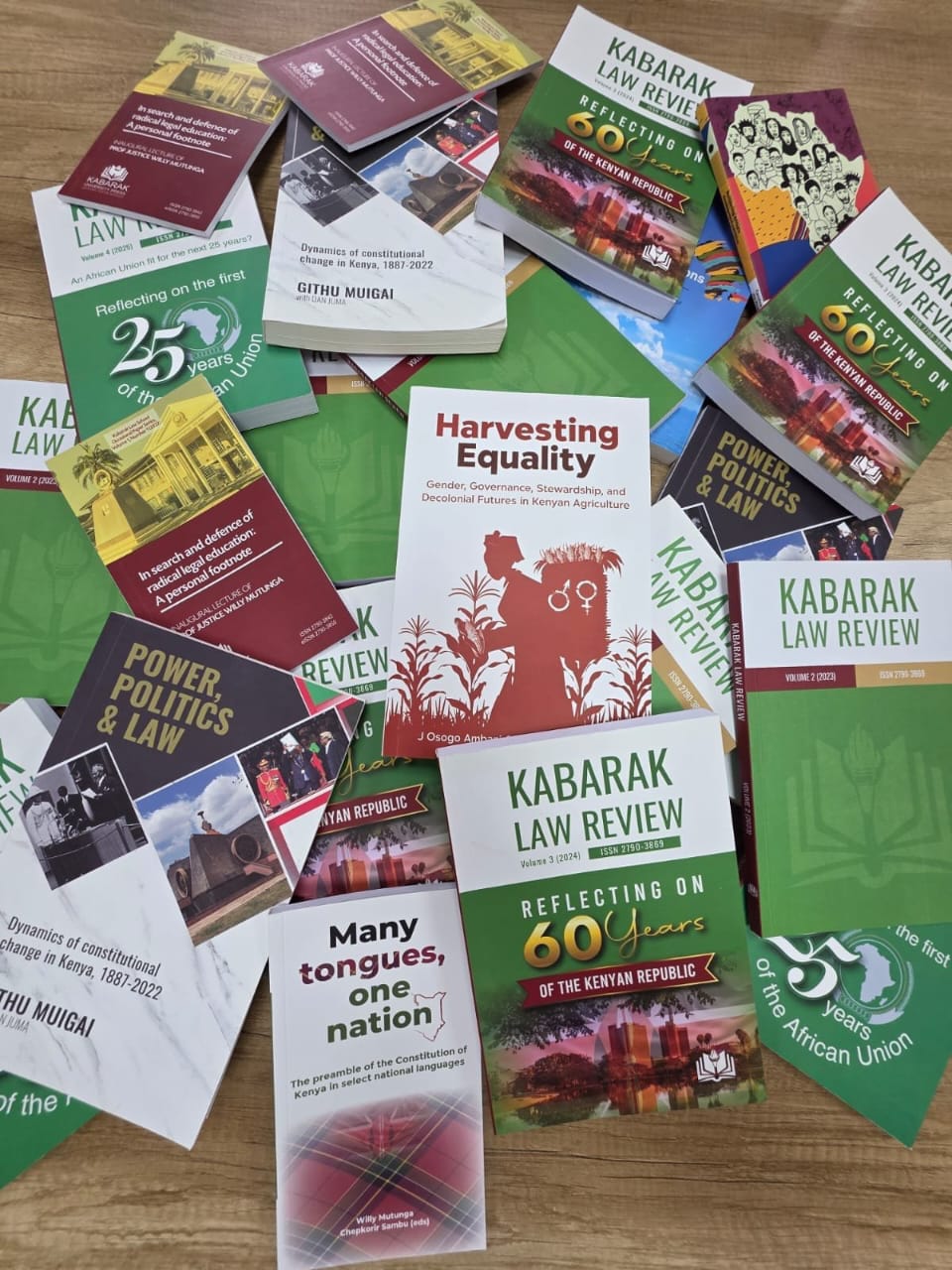
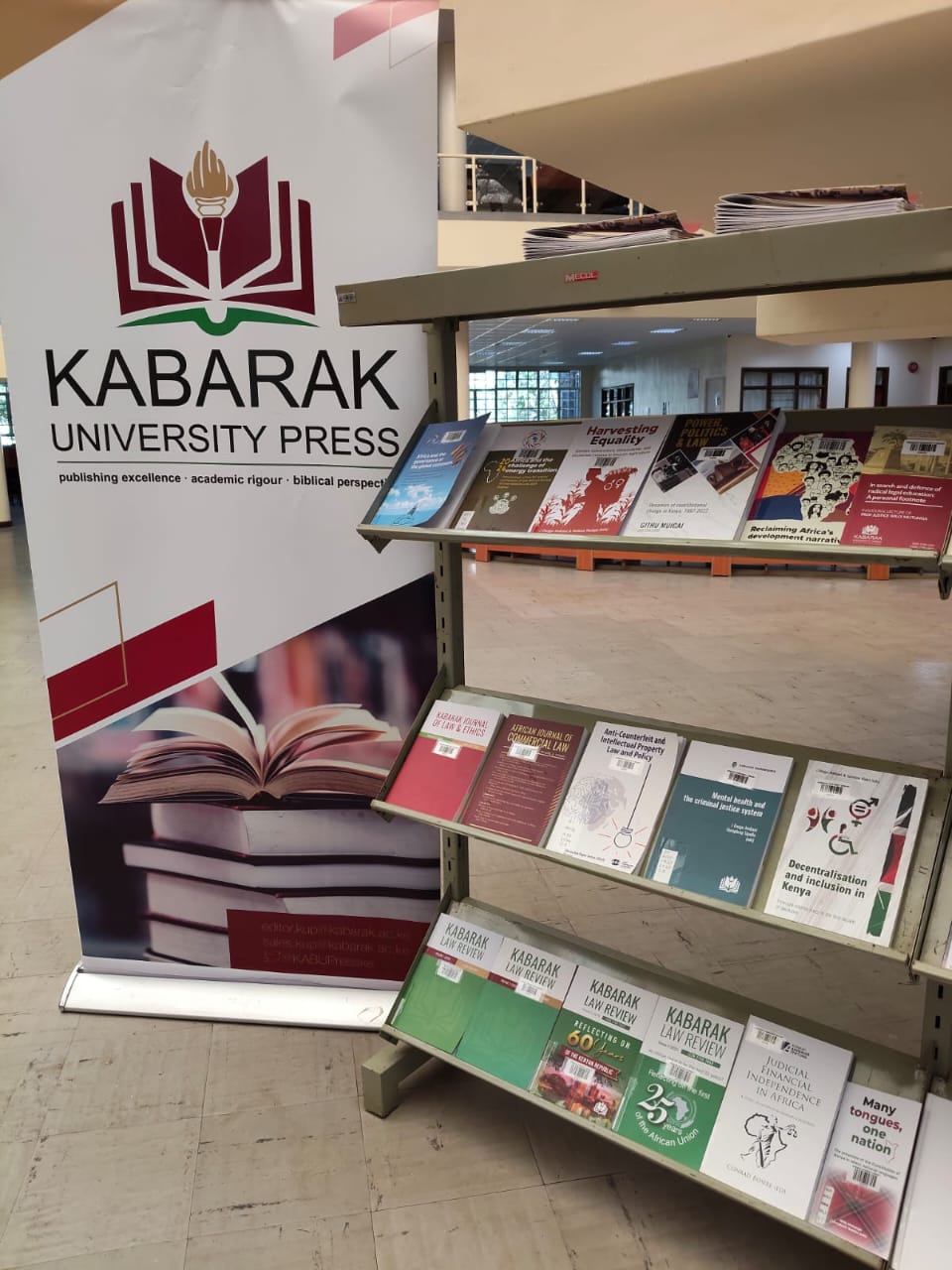
The Press has published 15 books, four issues of the Kabarak Law Review and three issues of other peer-reviewed law journals. These publications represent a growing body of scholarship addressing questions of law, politics, development, governance and inclusion. They also provide a starting point for understanding the intellectual contribution of the Press: bringing different subjects into conversation and creating opportunities for readers to encounter ideas that may challenge or expand their understanding.
This catalogue reflects a range of intellectual concerns, particularly around politics, law and the changing nature of institutions. Power, politics and law: Dynamics of constitutional change in Kenya, by Githu Muigai and Dan Juma, invites readers to consider how Kenya's political and legal arrangements have changed over time. Read alongside Decentralisation and inclusion in Kenya: From pre-colonial times to the first decade of devolution, edited by John Osogo Ambani and Caroline Kioko, the discussion broadens to questions of how power has been distributed and what inclusion has meant across different periods of Kenyan history.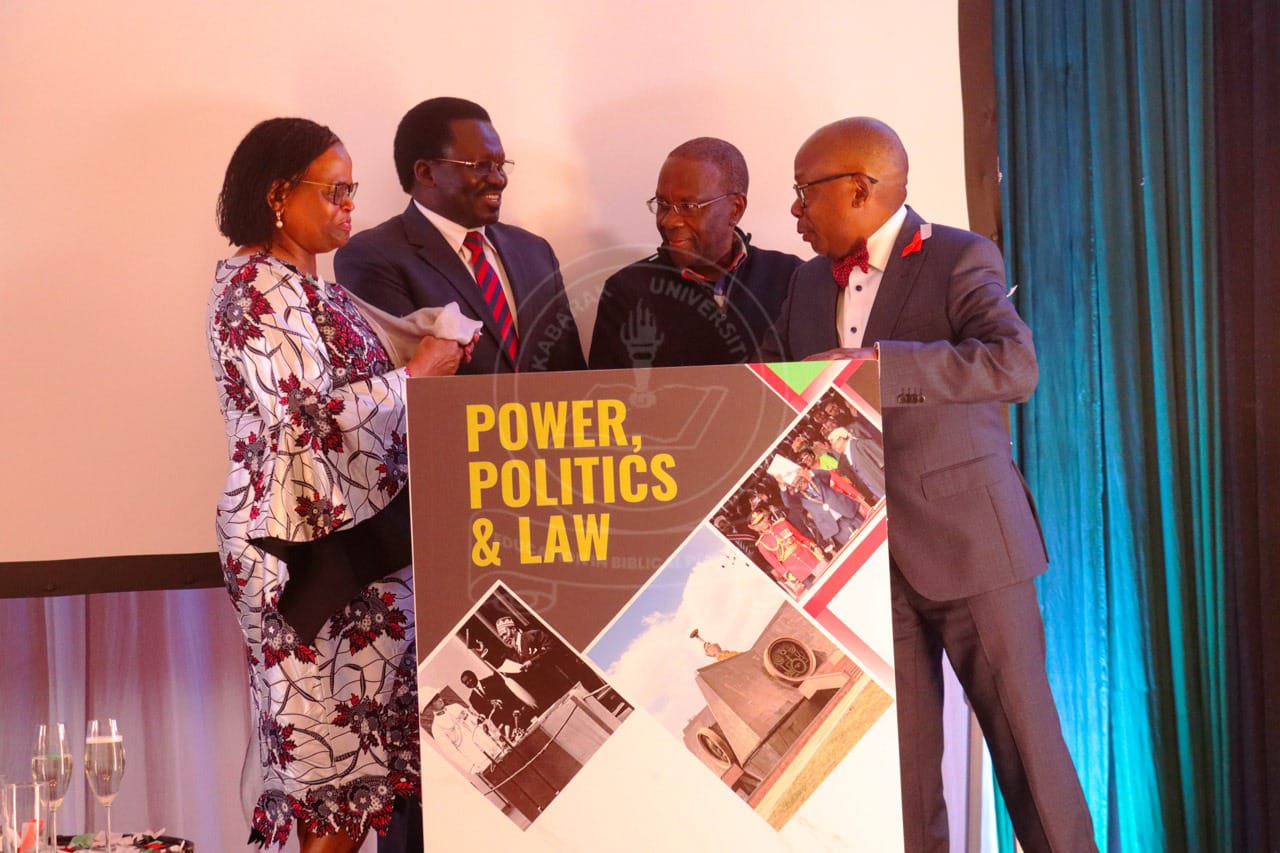
Reclaiming Africa's development narrative, edited by Caroline Kioko and Jite Phido, examines how development is understood and how African perspectives might reshape that understanding. Many tongues, one nation, edited by Willy Mutunga and Chepokorir Sambu, in select national languages, raises a related question about access: what happens when the language of a national constitutional promise becomes available to people in languages they understand? Questions of institutions and governance also feature in Judicial financial independence in Africa, edited by Conrad Bosire, which examines the financial independence of judiciaries across the continent.
Taken together, these titles illustrate the breadth of the Press's catalogue. Their subjects differ, but questions of power, participation, language, development and institutions recur in different forms. The value of a multidisciplinary publishing programme lies partly in the connections readers can make across subjects. A book about development may prompt questions about language, history or the institutions that shape public life. Such connections do not require books to share ideological or philosophical positions, or even arrive at similar conclusions. Rather, they emerge when readers bring different perspectives into conversation through critical and comparative analysis, interrogating arguments, challenging assumptions and drawing insights across disciplines. Through this engagement, new knowledge can emerge and inspire new literature. The catalogue thus becomes more than a collection of individual publications; it becomes a space where ideas from different disciplines encounter, challenge and enrich one another.
A university press however, is not defined by its catalogue alone. Its contribution also lies in the people it equips and the spaces it creates for scholarship to develop. At Kabarak University Press, this has been evident in its investment in students and the opportunities it has created for editorial training and publishing. More than one hundred student editors have been trained and mentored, while three student-led platforms have emerged: The Kabarak Law Review blog, the Faith and Environment blog and the Bonaya Godana blog.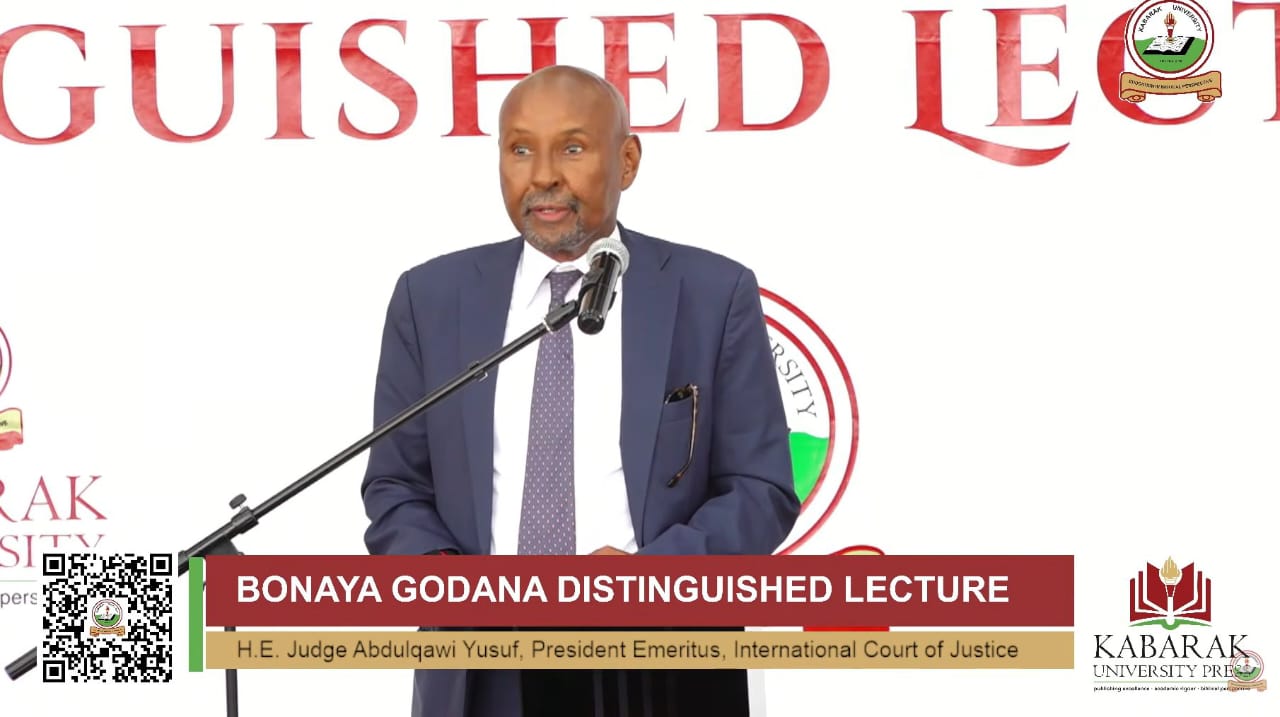
The weekly academic writing workshops organised through Kabarak Law Review provide students with practical support in developing their writing. They offer an opportunity to learn that writing involves more than forming an opinion and putting it into words; it requires constructing an argument, defending it and revising it. It also means sometimes accepting that even a paragraph one is particularly proud of may have to go. The process is not always glamorous, but it is through questioning, refining and letting go that writers and editors develop their craft.
Furthermore, Kabarak Law Review, has contributed to the visibility and accessibility of student-led scholarship across Africa. Its indexing in African Journals Online (AJOL) and the Directory of Open Access Journals (DOAJ) has increased the discoverability of its publications, making student-led legal scholarship more accessible to a wider readership.
Beyond its work with students, the Press has created additional platforms for scholarly engagement, collaboration and public exchange. In 2025, the Press hosted the first Kabarak University Press conference week which featured the Faith and Environment conference and the African student-led law reviews conference. Through the latter initiative, the Press convened representatives of seven student-run law reviews from across Africa, creating an opportunity for exchange and collaboration among emerging scholarly platforms. In 2026, the Press inaugurated the Bonaya Godana distinguished lecture, further expanding its programme of academic activities. Together, these initiatives provide opportunities for scholarship to be shared, discussed and encountered beyond the pages of a publication.
Five years is still early in the life of a university press, but Kabarak University Press has established a foundation on which to build. Its books have entered the world and their lives depend, in part, on the readers who engage with them: the arguments they consider worthy of further attention, the ideas they choose to challenge and the conversations they carry forward. Its catalogue reflects a growing publishing programme, while its training, mentorship and academic activities point to a wider contribution to the development of writers, editors and scholarly communities. As it moves forward, the Press seeks to strengthen its publishing programme, reach readers beyond the university and sustain the culture of writing and debate its activities have begun to nurture.
Kabarak University Press’s greatest contributions are therefore reflected not only in its finished publications, but also in the intellectual and institutional spaces it creates and continues to sustain for African scholarship, academic mentorship and the exchange of ideas. The Press thus stands as an affirmation that words and ideas can change the world a footnote at a time.