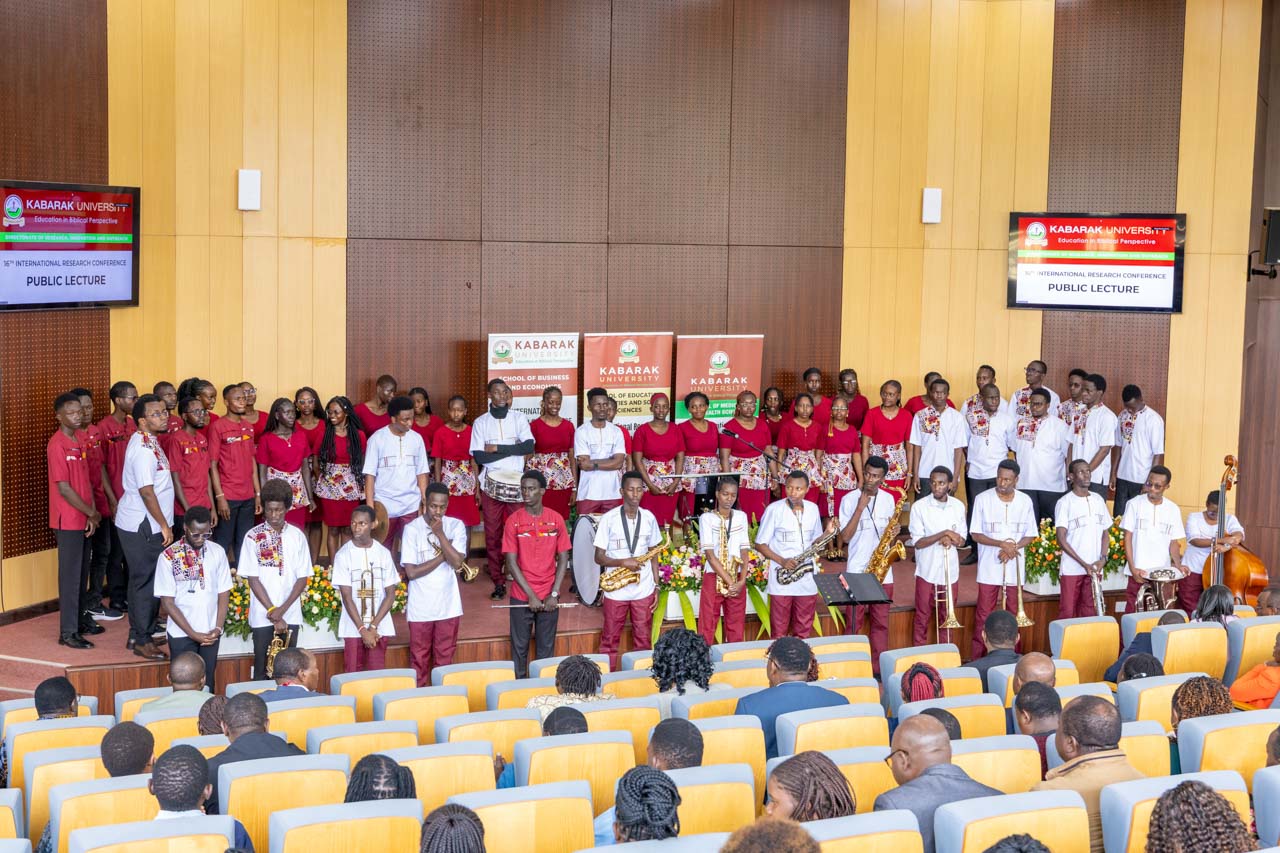

The third day of the 16th Kabarak University International Research Conference delivered a milestone not only for the University but for higher education in Kenya.
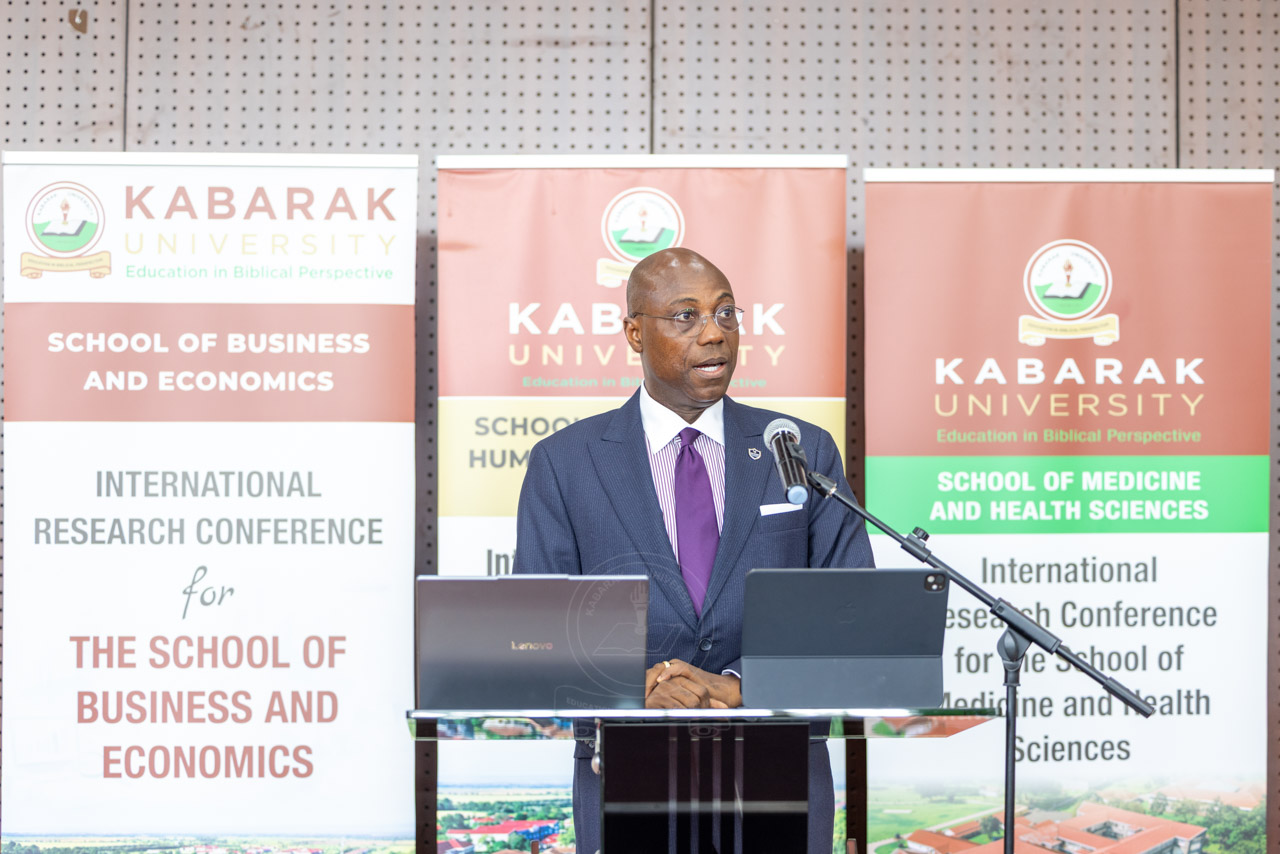
For the first time, the President of an American university delivered a public lecture at a Kenyan university, as Prof. Daniel A. Wubah, President of Millersville University, addressed students, faculty, researchers, and guests on the theme, "Educating for Impact: How Universities Can Shape Africa's Future through Innovation, Leadership and Service."
The day began with the arrival of the Millersville University delegation, who paid a courtesy call on the Vice-Chancellor, Prof. Henry Kiplangat, before the two institutions formally signed a Memorandum of Understanding (MoU). The agreement opens new opportunities for collaboration in research, academic exchange, innovation, faculty development, and student mobility, strengthening a partnership built on shared values and a common vision for higher education.
Following the signing ceremony, members of the delegation joined invited guests and University staff at Sawia Hall, while hundreds of students and additional staff gathered at the Convocation Hall, where the lecture was streamed live. The arrangement ensured that the wider University community could take part in the historic occasion.
Welcoming the delegation, Prof. Kiplangat described the lecture as one of the highlights of this year's International Research Conference. He noted that the topic aligned closely with Kabarak University's vision of becoming an entrepreneurial university that equips graduates not only with knowledge but also with the ability to innovate, lead, and serve society. He observed that universities have a responsibility to produce graduates who create solutions, strengthen communities, and contribute meaningfully to Africa's development.
In his lecture, Prof. Wubah challenged universities across Africa to think beyond awarding degrees and instead focus on producing graduates who solve real problems. He argued that Africa's greatest opportunity lies in its young population, but that this potential can only be realised if universities prepare students with practical skills, creativity, ethical leadership, and an entrepreneurial mindset.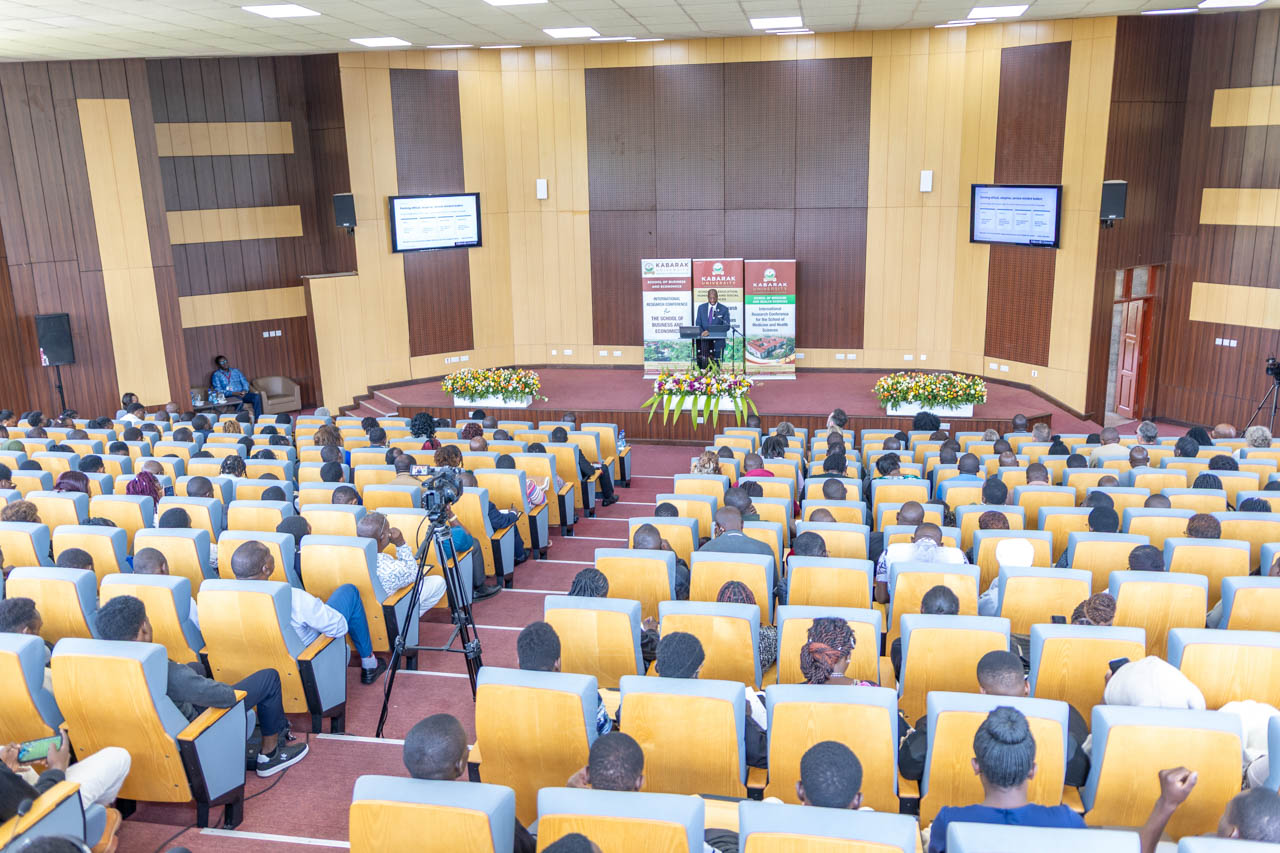
He pointed to the continent's rapidly growing youth population, expanding digital economy, and the emergence of artificial intelligence as forces that will define Africa's future. Universities, he said, sit at the centre of these changes and must become institutions that turn knowledge into solutions that improve lives.
A recurring message throughout the lecture was that innovation should not be treated as a slogan or confined to technology alone. Instead, it should become part of a university's culture, where research is driven by local challenges, ideas are tested within communities, and successful solutions are scaled through strong partnerships. He reminded participants that research achieves its greatest value when it addresses the everyday needs of society rather than remaining within laboratories and academic journals.
Prof. Wubah also encouraged universities to embrace artificial intelligence thoughtfully, viewing it as a tool that can either widen existing inequalities or help close them, depending on how institutions prepare their graduates. He called for greater investment in research, digital skills, entrepreneurship, and innovation ecosystems that connect classrooms, laboratories, industry, and communities.
Speaking directly to students, he challenged them to become builders rather than simply holders of degrees. He urged them to identify real problems in their communities, learn beyond the classroom, work collaboratively, serve others through their education, and develop portfolios that demonstrate what they can do rather than only what they have studied.
Faculty members and university leaders were equally challenged to rethink their roles. Prof. Wubah encouraged lecturers to design learning around real-world applications, mentor innovation, embrace digital technologies responsibly, and pursue research that creates a measurable impact. For university leadership, he emphasised investing in research, rewarding community engagement, building equitable global partnerships, and measuring success not only through rankings but through lives changed and problems solved.
One of the strongest messages of the lecture centred on service. Prof. Wubah observed that a university does not exist apart from its community but belongs to it. Teaching, research, and outreach, he said, should all serve people, making knowledge accessible and relevant to the communities universities are called to support. He noted that this vision resonates strongly with Kabarak University's commitment to providing education in the service of God and humanity.
The lecture concluded with an interactive question-and-answer session, allowing participants to engage directly with Prof. Wubah on issues ranging from artificial intelligence and research funding to entrepreneurship, university leadership, and Africa's place in the global knowledge economy. The day's programme later continued with a Chapel service before delegates from Millersville University held engagement sessions with various academic departments.
The public lecture marked one of the defining moments of this year's International Research Conference. As Conference Week continues, those conversations are expected to inspire new collaborations and practical solutions that extend far beyond the walls of the University.