
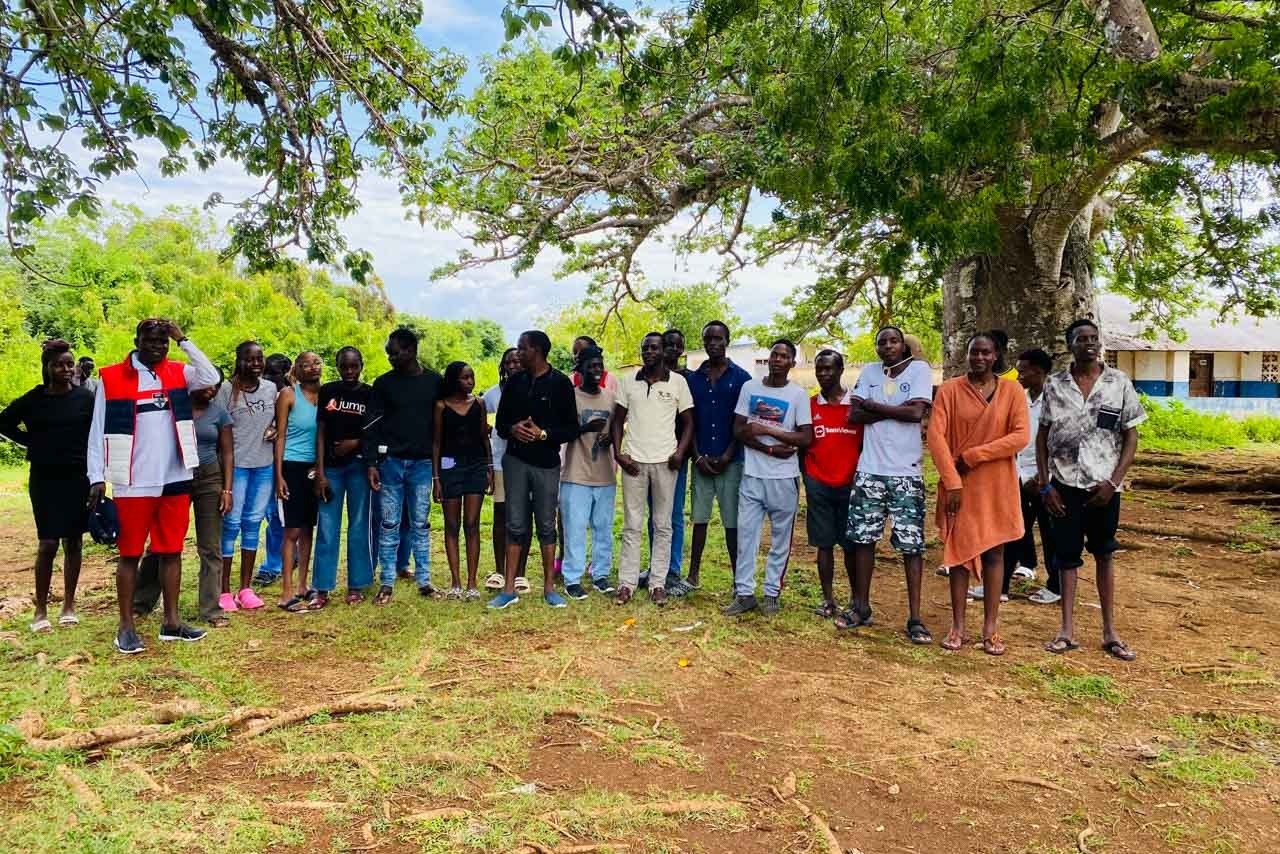
Mombasa, Kenya – The Department of Geography recently conducted a successful academic field study in Kenya's coastal region, providing students with an invaluable opportunity to bridge classroom theory with practical field experience. The educational excursion exposed students to diverse physical and human geographical features, ecosystems, conservation initiatives, tourism resources, and coastal geomorphological processes that are fundamental to the study of Geography.
The field study covered several significant geographical sites, including Mida Creek, Wasini Coral Gardens, Jumba la Mtwana, Kisite-Mpunguti Marine Park, the Nakuru–Ukunda Highway corridor, Trade Winds Resort (Diani), River Sabaki Mouth, and the Falconry of Kenya. Each destination provided unique learning experiences that enhanced students' understanding of geographical concepts and environmental management.
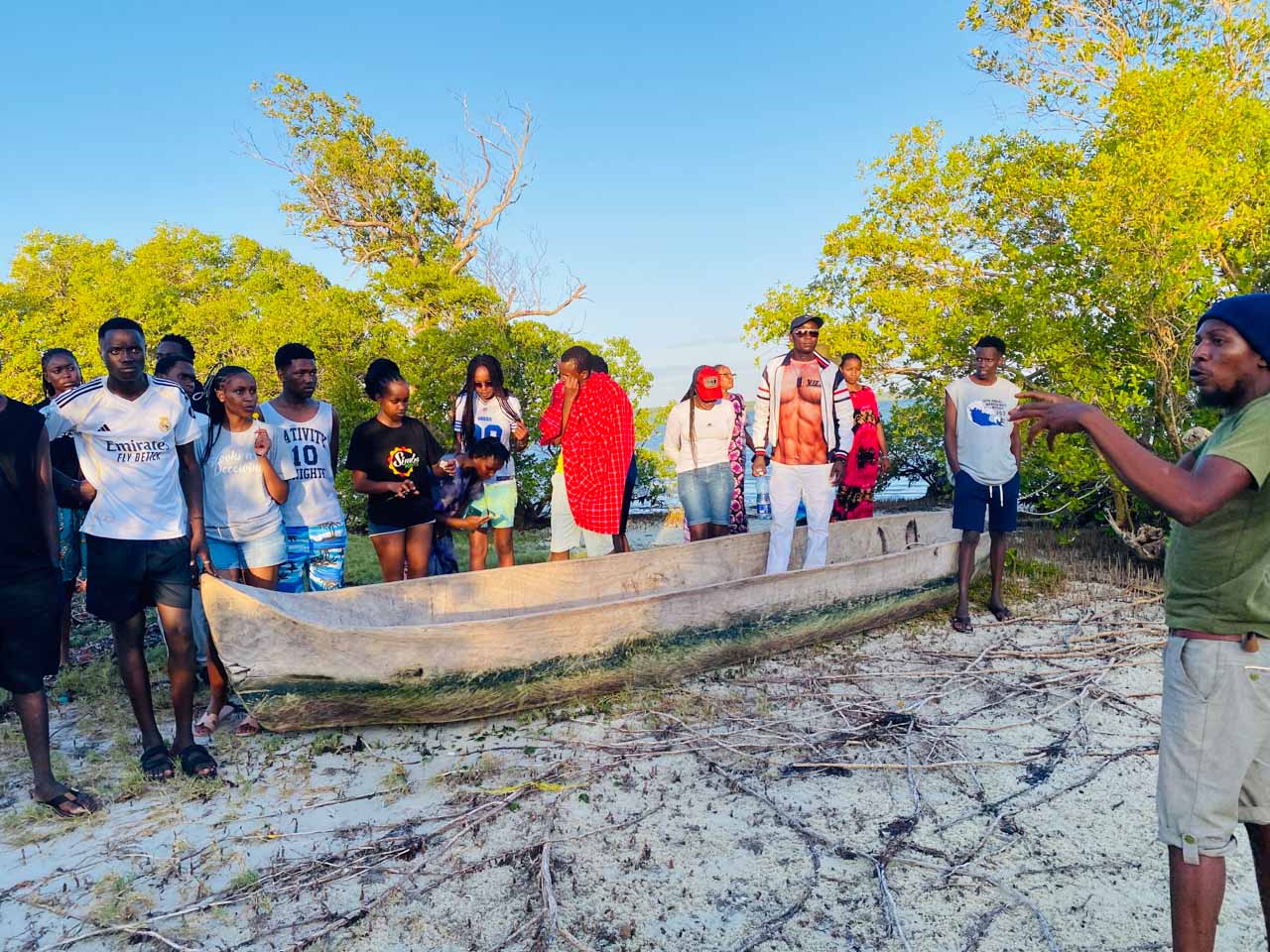
At Mida Creek, students explored one of Kenya's most important mangrove ecosystems. They studied the ecological importance of mangrove forests in protecting shorelines against erosion, acting as breeding grounds for fish and other marine organisms, storing carbon, and supporting biodiversity. The visit also demonstrated the importance of community participation in conserving fragile coastal ecosystems while promoting sustainable eco-tourism.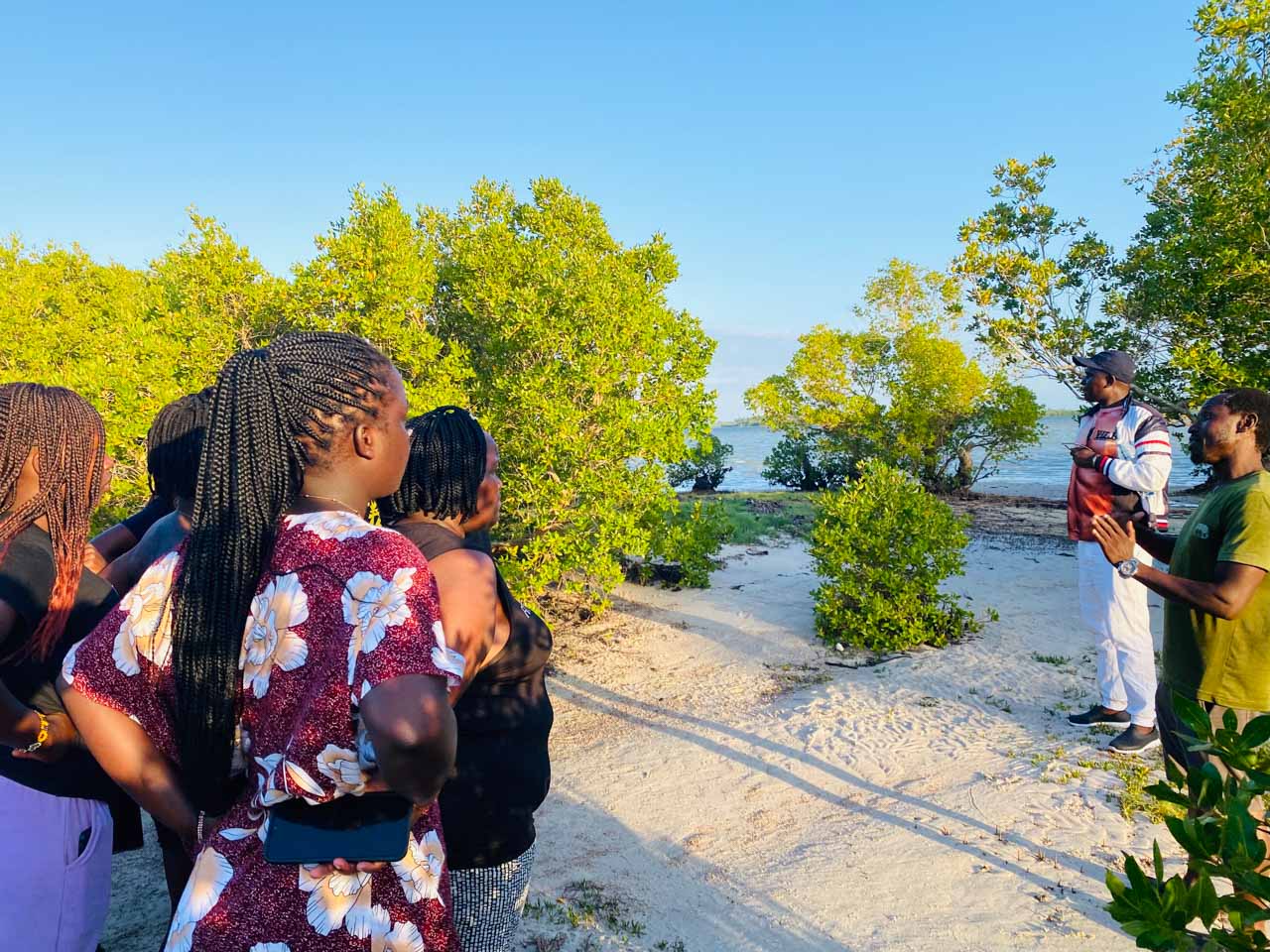
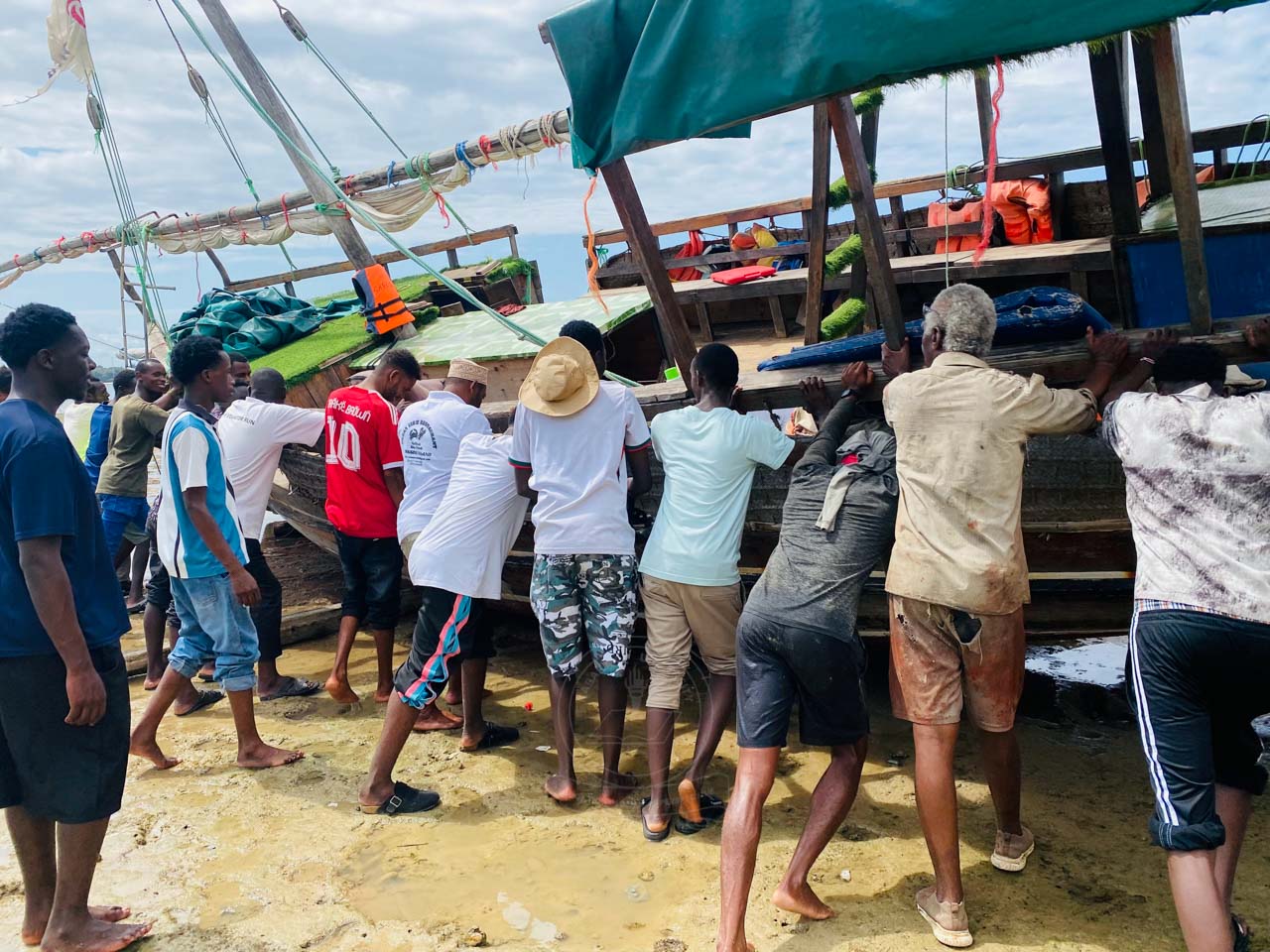
The visit to the Wasini Coral Gardens enabled students to appreciate the richness of coral reef ecosystems within the Indian Ocean. They observed different coral formations and learned about the ecological functions of coral reefs in supporting marine biodiversity, protecting coastlines from wave action, and sustaining livelihoods through fisheries and tourism. Discussions also focused on the threats facing coral reefs, including climate change, coral bleaching, pollution, and unsustainable fishing practices.
At the Kisite-Mpunguti Marine National Park, students gained practical knowledge on marine conservation and protected area management. They observed diverse marine life, including colourful fish species, sea urchins, and other aquatic organisms within the protected ecosystem. The visit highlighted the importance of marine parks in biodiversity conservation, sustainable tourism, scientific research, and environmental education.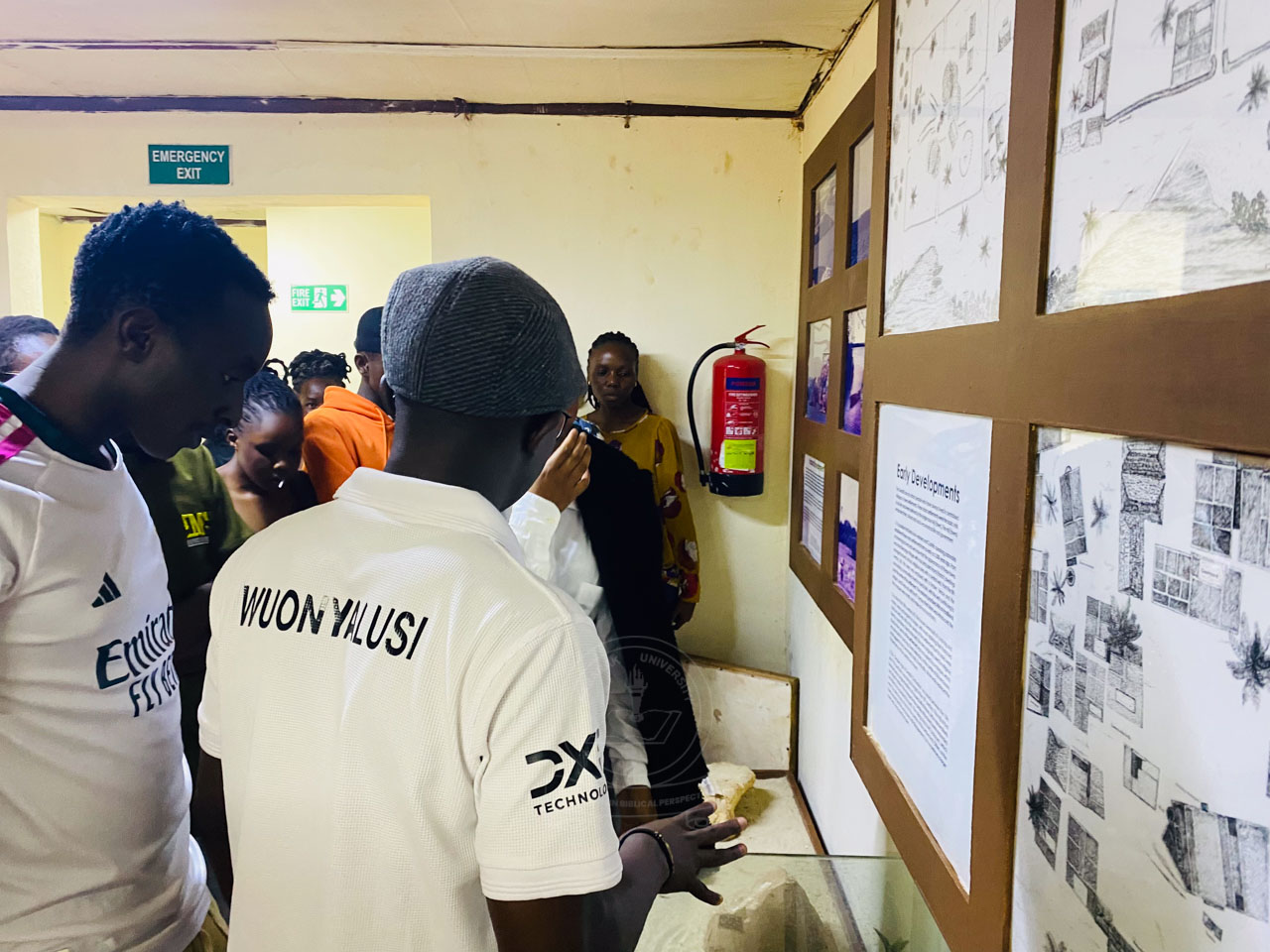
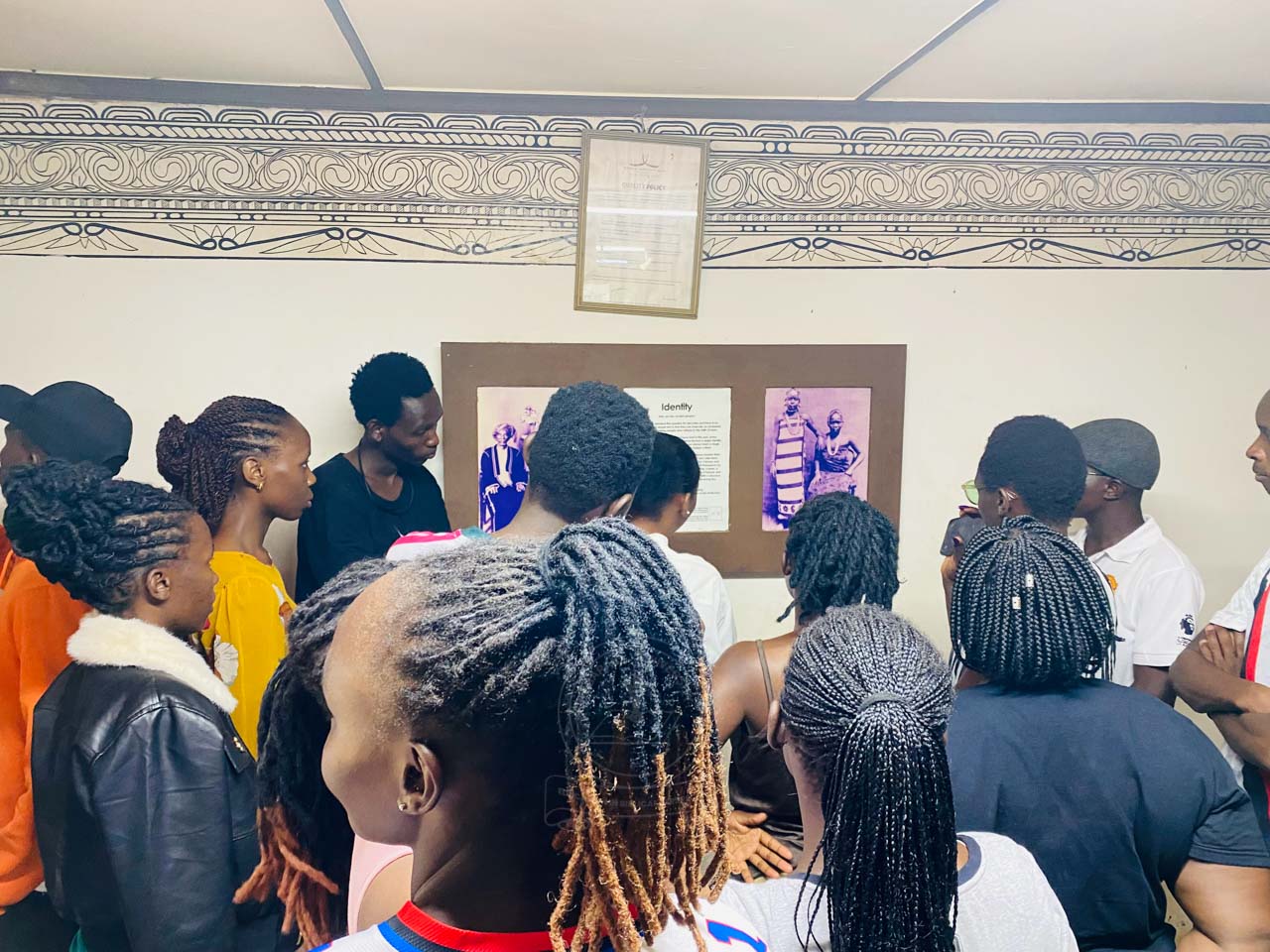
The historical visit to Jumba la Mtwana provided students with an opportunity to examine the relationship between geography, history, and culture. They learned about the Swahili civilization, ancient coastal settlements, traditional architectural designs, and the influence of the Indian Ocean trade on the development of East African coastal communities.
A journey along the Nakuru–Ukunda Highway offered practical lessons on transport geography and regional development. Students observed the role of transport infrastructure in facilitating trade, tourism, regional integration, and socio-economic development. They also discussed the geographical challenges encountered during road construction, including varying relief, drainage systems, and environmental conservation concerns.
At Trade Winds, Diani Beach, students studied the unique characteristics of Kenya's coastal beaches and observed various coastal landforms and geomorphological processes. They witnessed the formation and movement of tidal waves, and clearly observed the processes of swash and backwash, which continually transport and redistribute beach sediments. These observations helped reinforce classroom concepts on coastal erosion, transportation, and deposition processes.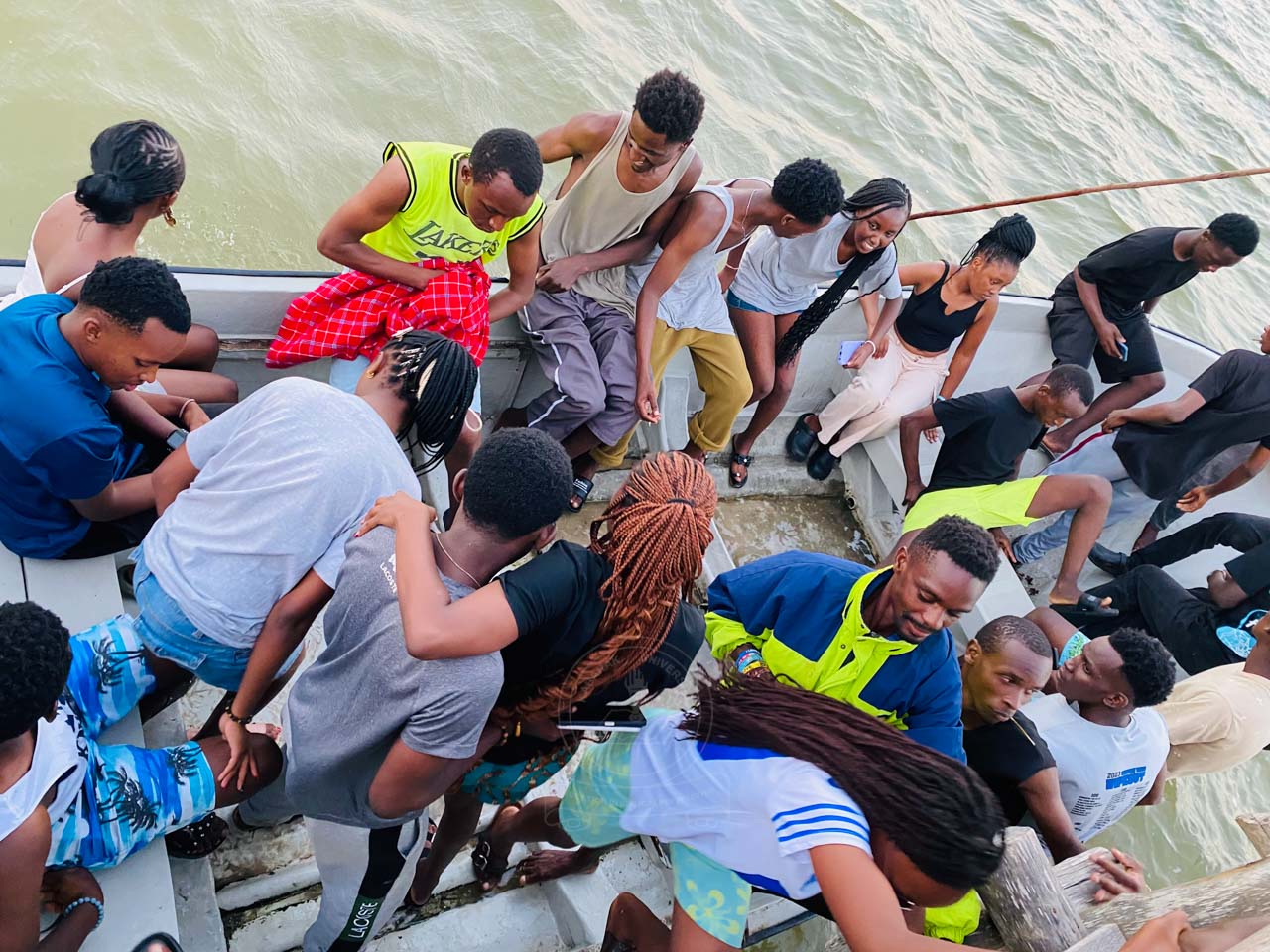
The visit to the River Sabaki Mouth, where the Sabaki River empties into the Indian Ocean, enabled students to study estuarine environments and river-coastal interactions. They observed sediment deposition, deltaic processes, estuary formation, and the mixing of freshwater with seawater. The site also illustrated the ecological significance of wetlands as habitats for migratory birds and aquatic biodiversity.
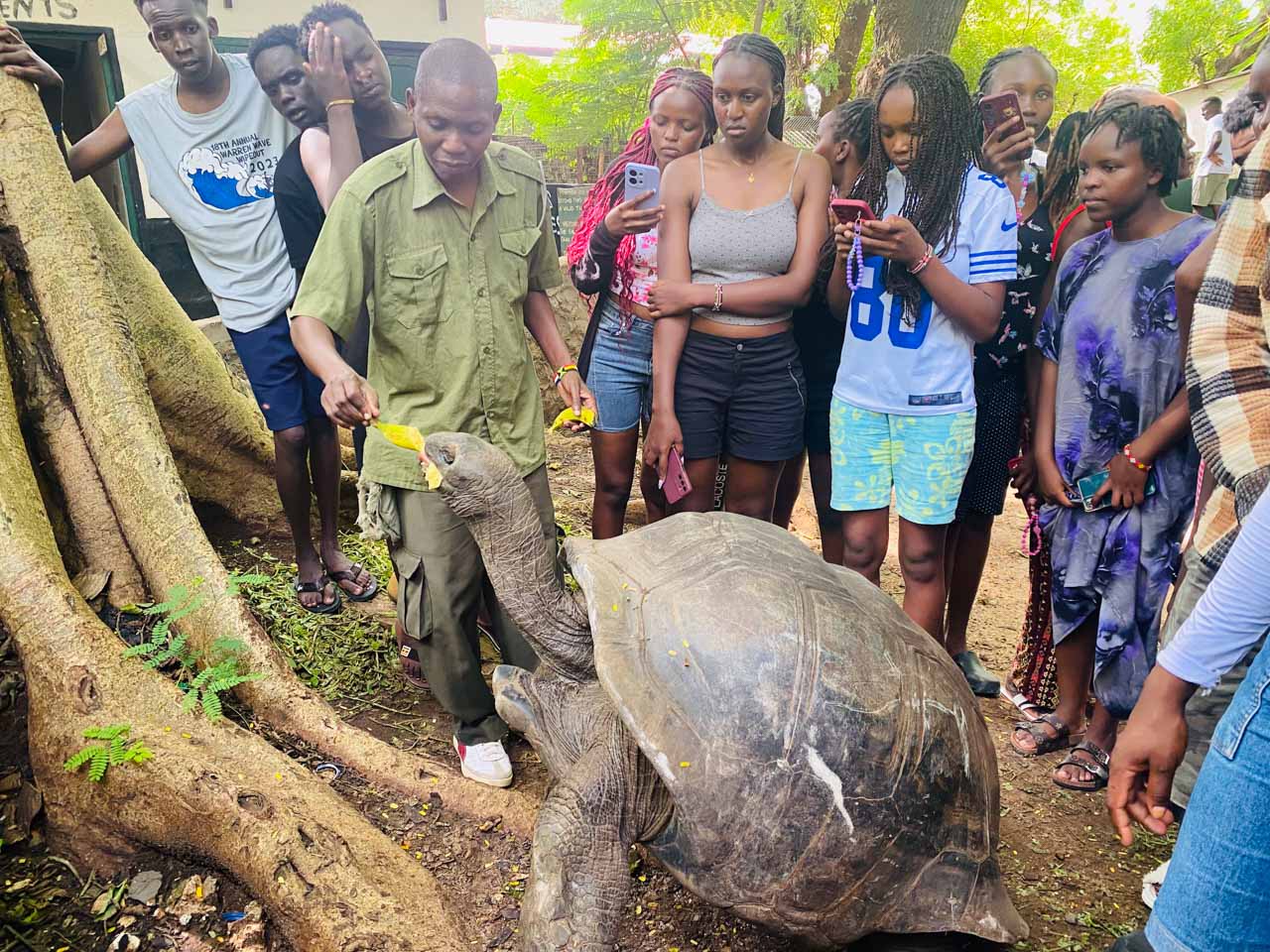
Students also toured the Falconry of Kenya, where they learned about wildlife conservation, biodiversity management, and environmental education. The visit exposed them to various species of birds of prey, reptiles, crocodiles, tortoises, and other wildlife. The experience emphasized the role of conservation centres in wildlife protection, ecological awareness, tourism development, and environmental sustainability.
Throughout the field study, students were able to directly observe several coastal geographical processes that are often discussed in lectures. Among the most memorable experiences were witnessing the tidal movement of the Indian Ocean, understanding how tidal waves form, and observing how swash and backwash continuously shape the coastline through erosion and deposition. These practical observations greatly enriched students' understanding of coastal geomorphology.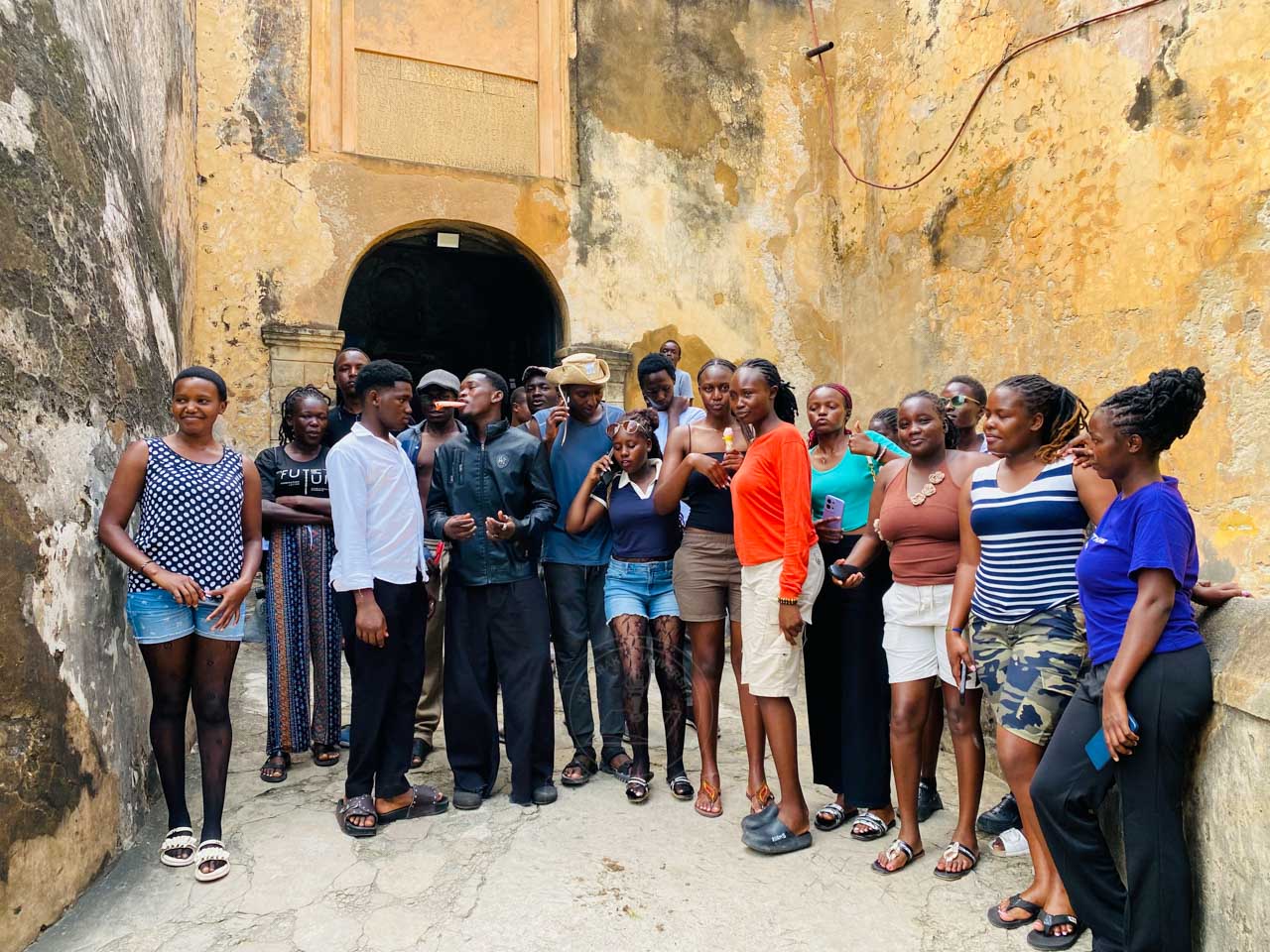
Beyond academic learning, the excursion fostered teamwork, critical observation, field data collection, environmental appreciation, and problem-solving skills. Students interacted with conservation experts, tour guides, and local communities, broadening their understanding of sustainable resource management and the relationship between people and the environment.
The Department of Geography remains committed to experiential learning through field studies, recognizing that practical exposure is essential in producing competent graduates capable of addressing contemporary environmental and developmental challenges. The Mombasa field study successfully demonstrated how geographical knowledge extends beyond the classroom, enabling students to appreciate the dynamic interactions between physical environments, human activities, and sustainable development.
The Department expresses its sincere appreciation to the University management for supporting experiential learning initiatives and extends gratitude to all lecturers, guides, conservation officers, and partner institutions whose contributions made the academic field study a great success. The knowledge and experiences gained during the excursion will undoubtedly enrich students' academic journey and strengthen their professional competencies as future geographers.