Reflecting on World Antimicrobial Resistance Awareness Week 2026 and the role of international research partnerships in strengthening healthcare systems.
The global observance of World Antimicrobial Resistance Awareness Week (WAAW), held from 18–24 November 2026, has once again drawn attention to the growing threat of antimicrobial resistance (AMR) and the need for stronger action across healthcare systems. Beyond the awareness activities, the week provides an opportunity to reflect on the research, partnerships and practical interventions contributing to the fight against drug-resistant infections.
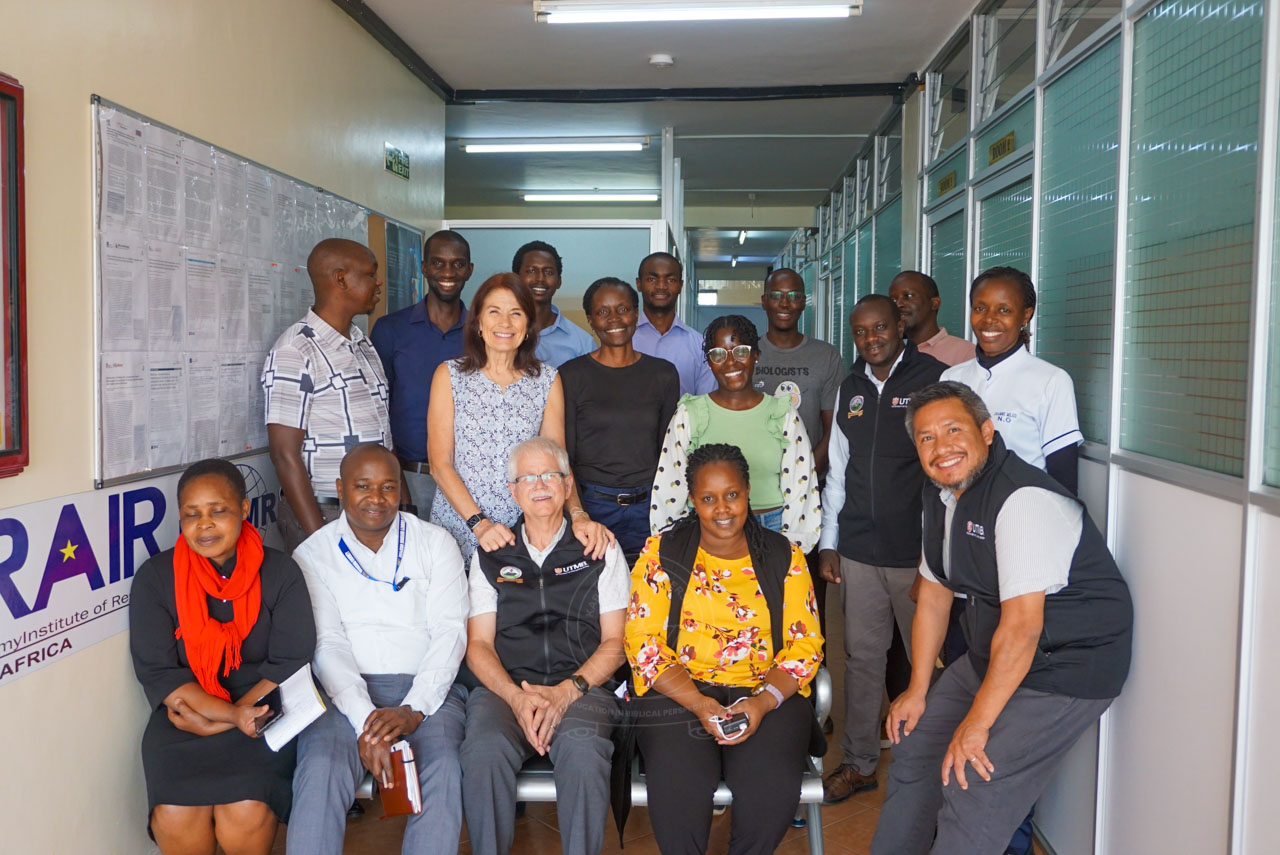
At Kabarak University, this work is taking shape through the School of Medicine and Health Sciences (SMHS) and its strategic international partnership with the University of Texas Medical Branch (UTMB), USA. The collaboration is advancing medical microbiology, strengthening diagnostic capacity and supporting efforts to improve the detection, management and surveillance of infectious diseases in Kenya.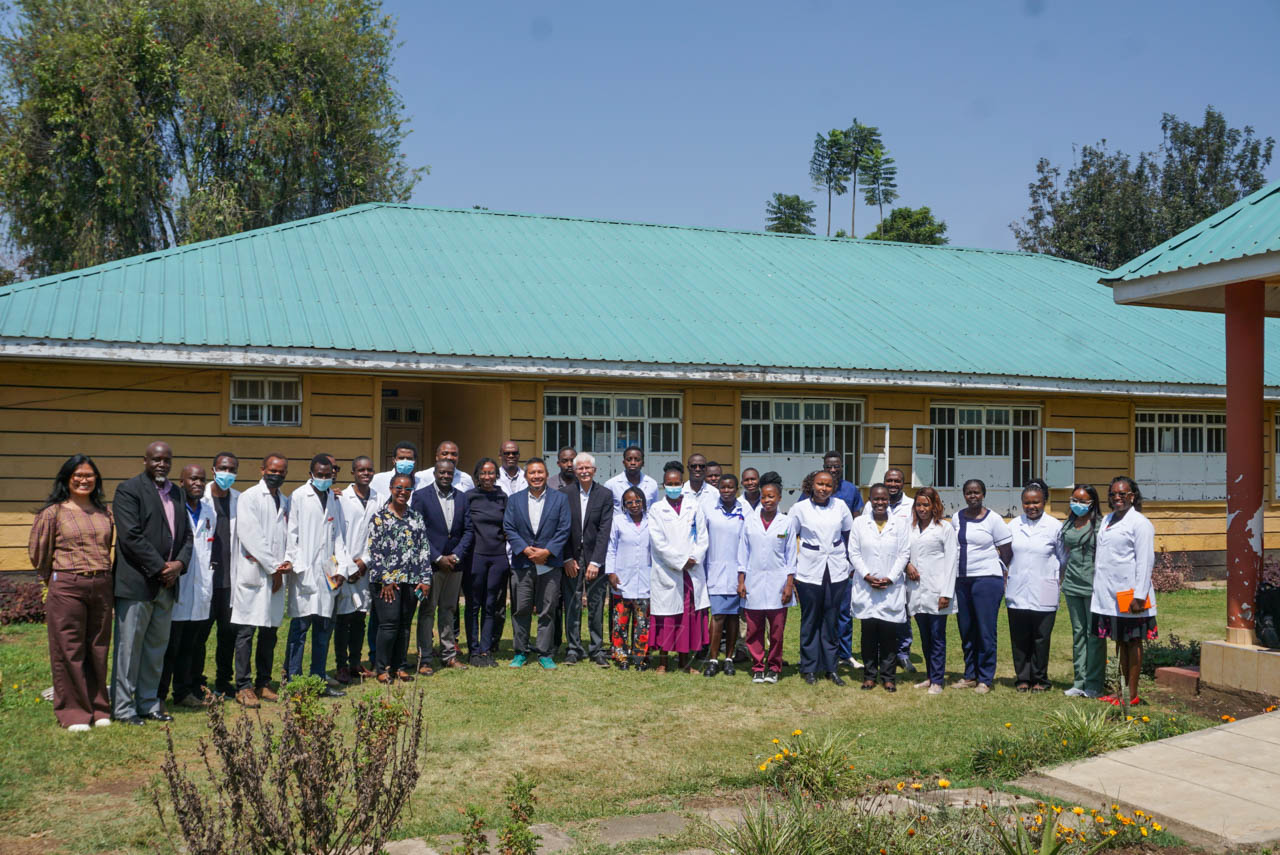
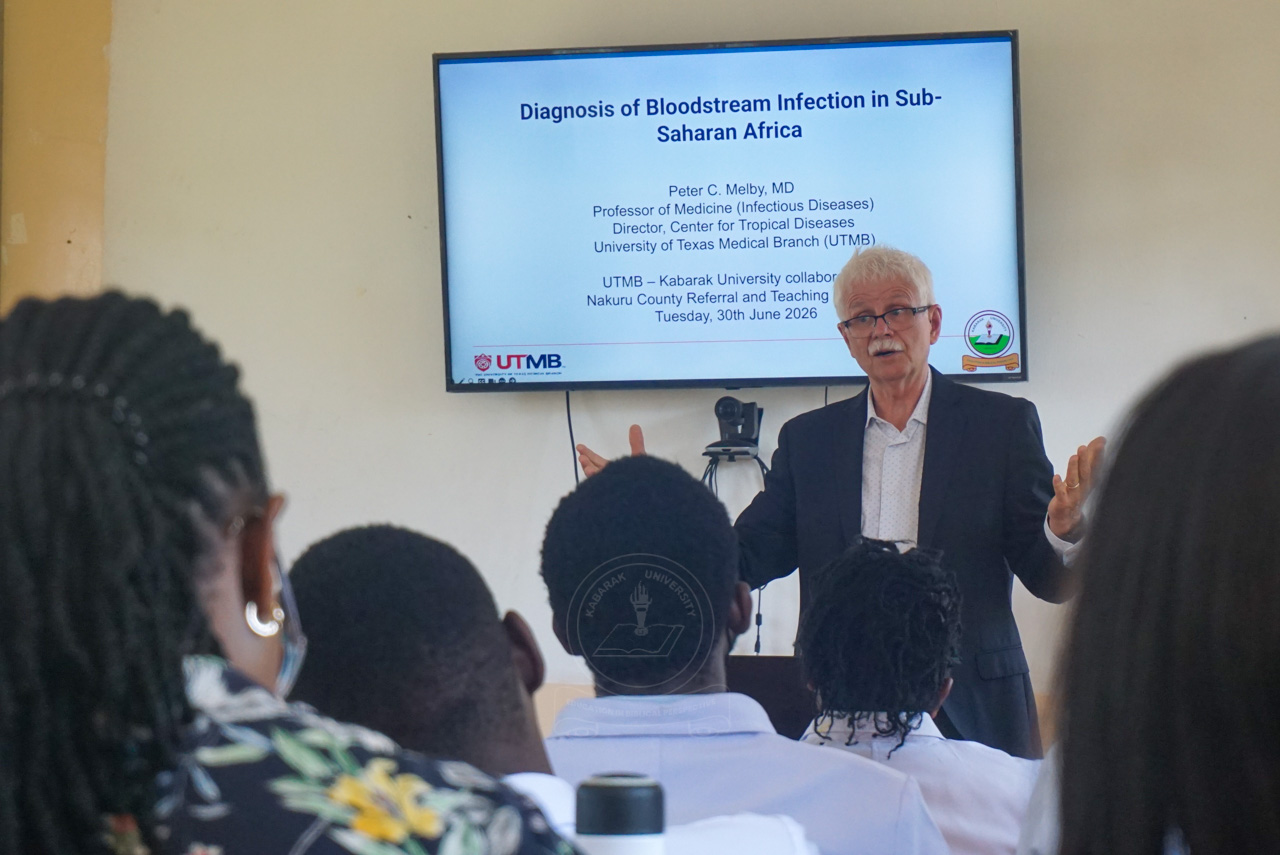
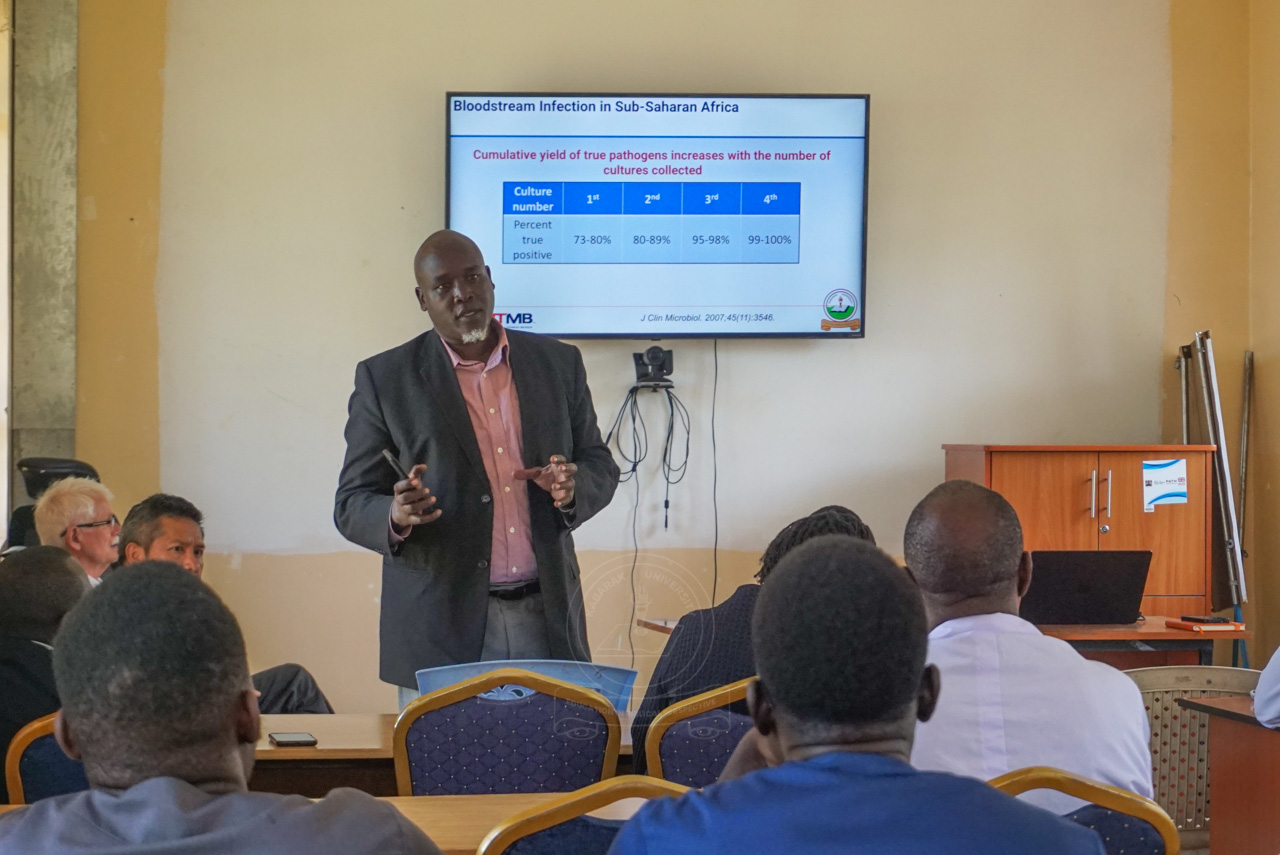
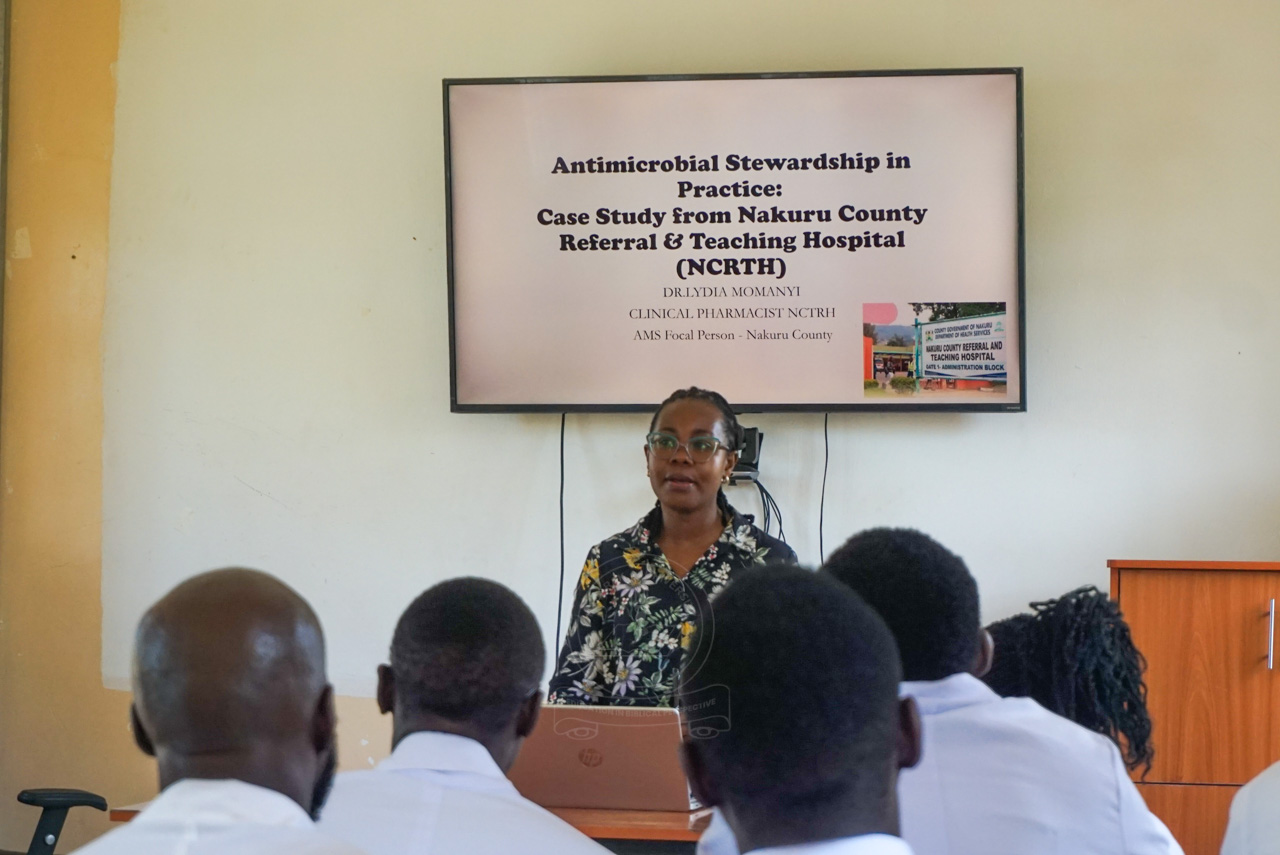
CME at Nakuru County Referral Hospital
At the heart of this partnership is the KUSAIDIA initiative – Kabarak-UTMB Synergistic Alliance for Innovative Diagnostics for Infections in Africa. Derived from the Swahili word kusaidia, meaning "to help", KUSAIDIA reflects the shared ambition of the two institutions to develop innovative, accessible and affordable diagnostic solutions for infectious diseases, particularly in resource-limited healthcare settings. Bringing together two universities and ten affiliated Kenyan hospitals, the initiative seeks to bridge critical gaps in microbiology diagnostics while strengthening antimicrobial stewardship and AMR surveillance.
Addressing the Diagnostic Gap in Infectious Disease Management
Infectious diseases remain a major cause of illness, hospitalisation and mortality across sub-Saharan Africa. Bloodstream infections, sepsis and enteric bacterial infections caused by organisms such as Escherichia coli, Salmonella, Shigella and Campylobacter continue to place considerable pressure on healthcare systems. The challenge is compounded by limited access to timely, reliable and affordable microbiology diagnostic services.
In many healthcare facilities, clinicians must initiate treatment based on clinical suspicion rather than confirmed laboratory results. Although empirical antibiotic treatment can be lifesaving, particularly in critically ill patients, the absence of timely microbiological evidence can result in inappropriate antimicrobial use, delayed effective treatment and increased selection pressure for antimicrobial resistance.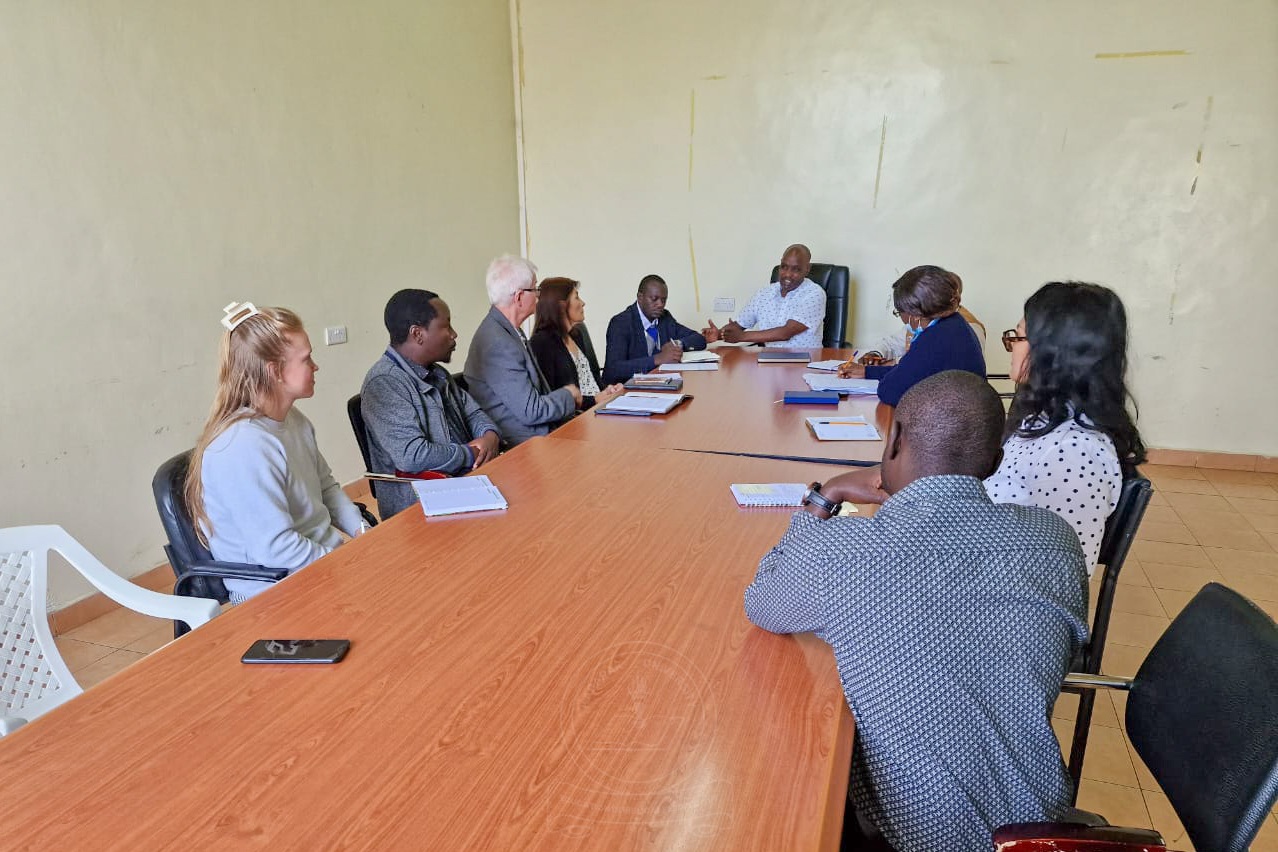
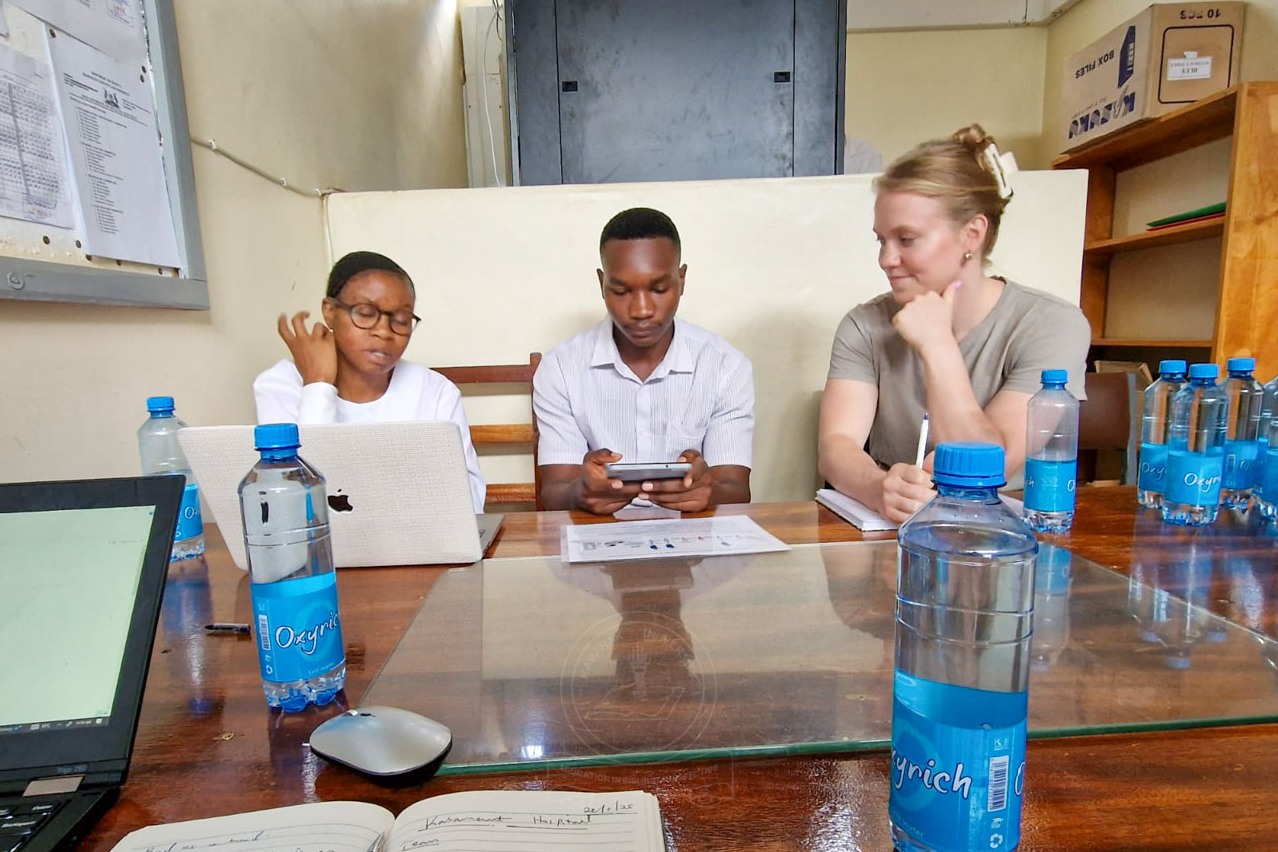
Interactive Session at Annex Hospital Nakuru
Microbiology laboratories therefore occupy a central position in the AMR response. Their ability to isolate, identify and determine the antimicrobial susceptibility of bacterial pathogens provides the evidence required for appropriate clinical management, infection prevention and control, antimicrobial stewardship and resistance surveillance.
Recognising this challenge, Kabarak University and UTMB have established a collaborative research and innovation platform focused on developing rapid, low-cost and user-friendly diagnostic technologies for bacterial infections. The partnership is particularly interested in addressing the diagnostic challenges associated with bloodstream infections and sepsis, where timely identification of bacterial infections can significantly influence patient outcomes.
From Pilot Assessments to Practical Interventions
The partnership's first year focused on understanding the existing diagnostic landscape and establishing meaningful institutional and hospital-level relationships. Through the KUSAIDIA programme, the collaborative team conducted assessments across nine hospitals in western and central Kenya, examining microbiology laboratory infrastructure, diagnostic capabilities and healthcare professionals' knowledge, attitudes and practices relating to antimicrobial resistance and stewardship.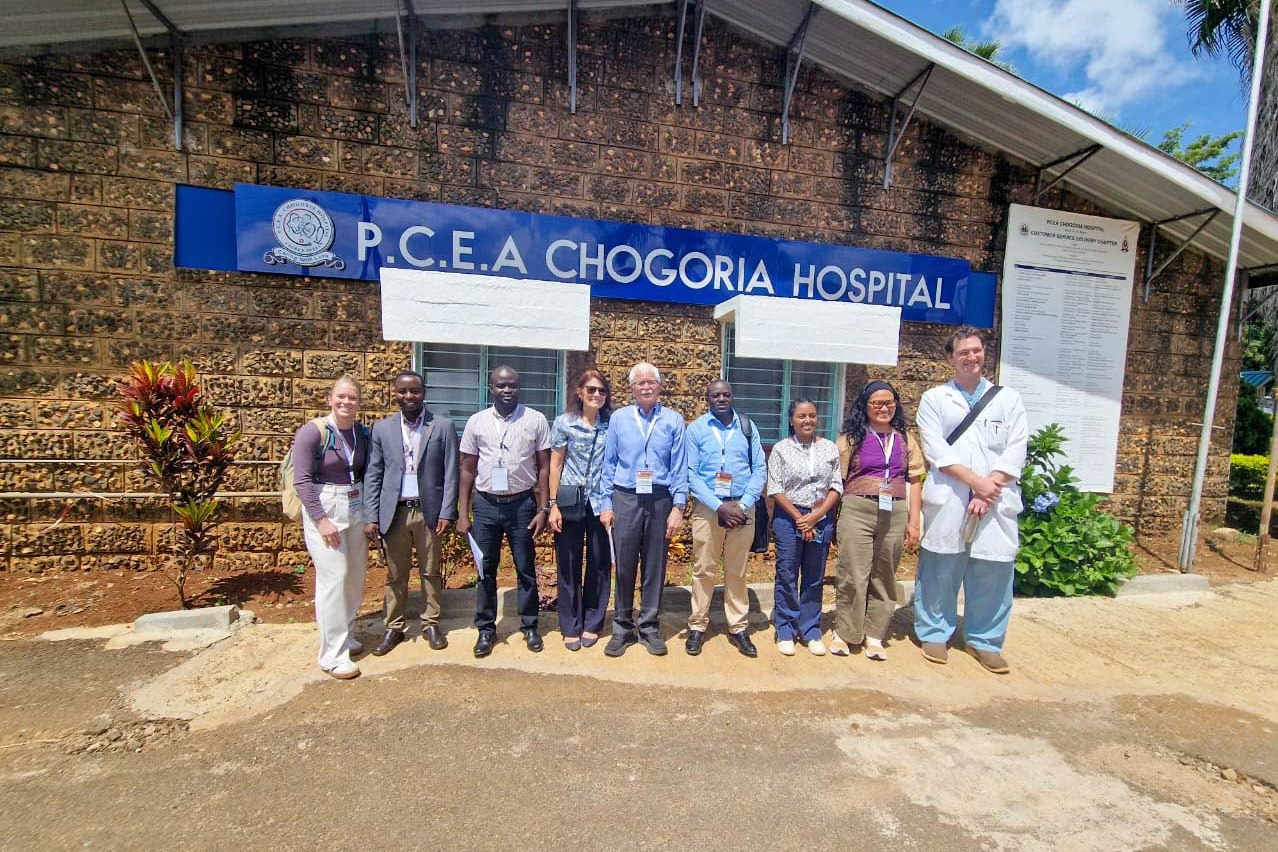
KUSAIDIA team visiting Chogoria Mission Hospital for the pilot study
These assessments provided important insights into the opportunities and limitations affecting routine microbiology services in Kenyan healthcare facilities. They also helped identify gaps in laboratory infrastructure, diagnostic workflows, professional training, and the integration of laboratory findings into clinical decision-making.
Importantly, the initial phase was not simply an assessment exercise. It established the evidence base upon which subsequent interventions could be developed, ensuring that proposed innovations and capacity-building activities respond to the actual needs of healthcare facilities.
The collaboration has also provided opportunities for international academic exchange and experiential learning. The participation of a UTMB medical student in the Kenyan hospital assessments and subsequent clinical exposure illustrates the value of international collaboration in developing a shared understanding of healthcare challenges across different resource settings.
Strengthening Antimicrobial Stewardship and Laboratory Capacity
Building on the findings of the initial assessments, the partnership has progressed towards practical implementation, with particular emphasis on strengthening antimicrobial stewardship (AMS), AMR surveillance and microbiology laboratory capacity.
During the June–July 2026 implementation activities, the KUSAIDIA team visited two tertiary county referral hospitals and facilitated continuing medical education (CME) training for approximately 160 healthcare and laboratory professionals. The training focused on antimicrobial stewardship, antimicrobial resistance surveillance and the development and utilisation of hospital-specific antibiograms.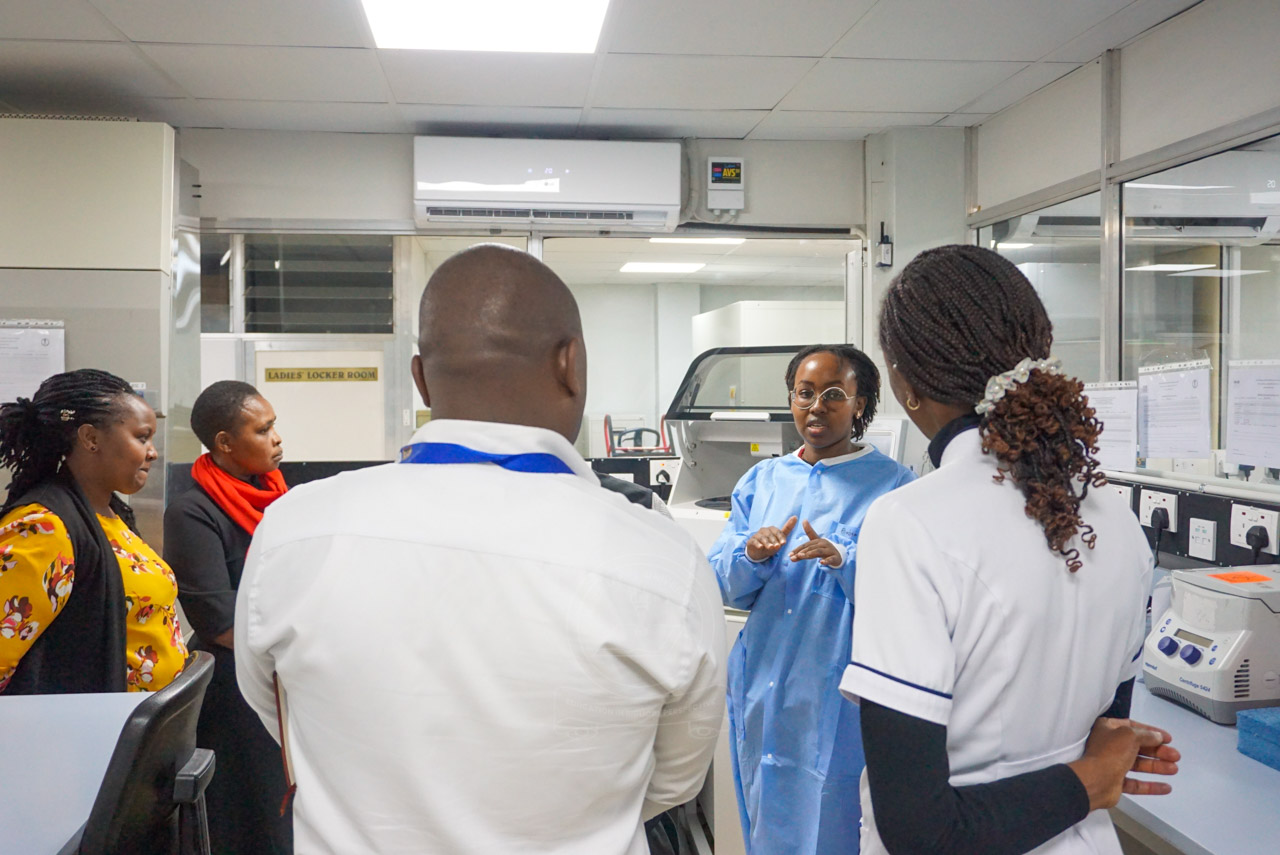
Interactive Session the Walter Reed Micro Hub Genomics Unit
This represents an important milestone in translating research collaboration into practical improvements in healthcare delivery. Effective antimicrobial stewardship requires multidisciplinary engagement involving clinicians, pharmacists, microbiologists, nurses, laboratory professionals and hospital management. Equipping these professionals with appropriate knowledge and practical skills is essential for promoting responsible antimicrobial prescribing and improving patient care.
A particularly significant component of the training was the introduction of an integrated VITEK–BacLink–WHONET data management workflow. This approach connects automated bacterial identification and antimicrobial susceptibility testing systems with WHONET, the World Health Organization-supported microbiology laboratory database software.
Through this integration, microbiology laboratories can organise and analyse antimicrobial susceptibility data, monitor resistance patterns and generate institutional antibiograms. These outputs provide valuable evidence to guide empirical treatment protocols, hospital antimicrobial policies and local AMR surveillance.
The initiative therefore recognises that strengthening diagnostic capacity extends beyond acquiring laboratory equipment. It also requires developing the human resource capacity, data systems and institutional processes needed to transform laboratory results into actionable clinical and public health information.
Driving Diagnostic Innovation Through Collaborative Research
A defining feature of the Kabarak–UTMB partnership is its commitment to translating scientific research into practical diagnostic innovations. The collaboration is advancing the development of a novel rapid diagnostic platform for bloodstream infections, with the overarching goal of making microbiological diagnosis faster, more affordable and accessible in resource-limited clinical settings.
The proposed diagnostic approaches seek to address some of the limitations associated with conventional microbiology workflows, particularly the time required to establish a microbiological diagnosis and guide appropriate treatment.
This research direction is particularly relevant to AMR because timely and accurate pathogen detection can support more targeted antimicrobial therapy, reduce unnecessary antibiotic exposure, and strengthen the evidence available for clinical decision-making.
For Kabarak University, participation in this research provides an important opportunity to strengthen institutional research capacity in medical microbiology, molecular diagnostics, translational research, and infectious disease innovation. It also creates opportunities for mentorship, collaborative scientific publications, research training and the development of locally relevant diagnostic solutions.
The partnership's research findings are being developed into scientific manuscripts, while laboratory work on the novel diagnostic platform continues. These activities demonstrate the importance of sustained investment in research and the gradual progression from proof-of-concept development towards technologies that can ultimately be evaluated and implemented in real-world healthcare settings.
International Collaboration as a Model for Sustainable Health Systems
The Kabarak–UTMB partnership illustrates that addressing complex public health challenges requires more than isolated interventions. Sustainable progress depends on strong institutional relationships, shared expertise, locally relevant research and continuous investment in healthcare professionals and systems.
By connecting academic researchers with frontline healthcare professionals and hospital laboratories, KUSAIDIA provides a platform through which scientific innovation can be informed by practical healthcare needs. It also demonstrates how international partnerships can strengthen local research leadership while creating opportunities for knowledge exchange and institutional development.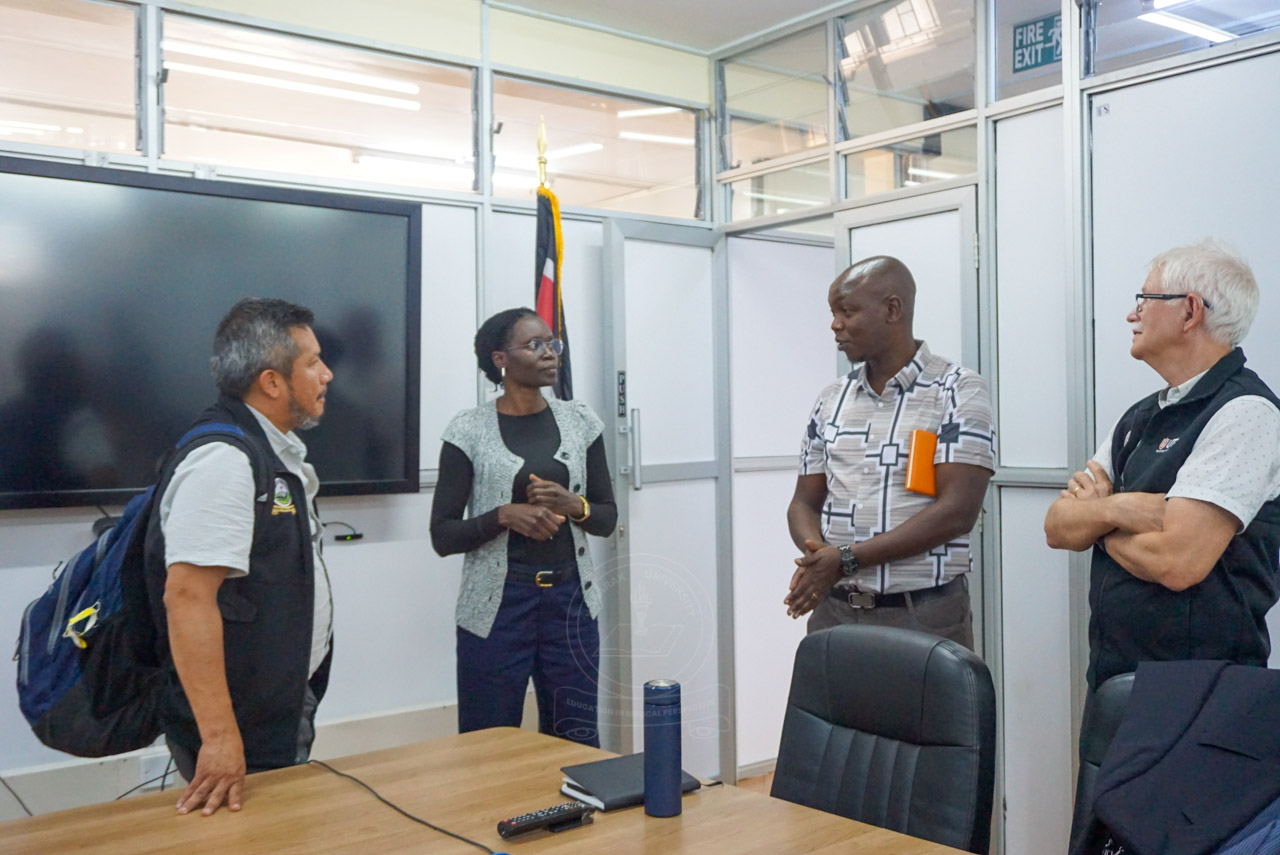
Interactive session at the Walter Reed Project Laboratory in Kericho
For Kenya and the wider African region, such collaborations are particularly important in addressing the growing threat of antimicrobial resistance. Strengthening microbiology diagnostics, surveillance networks and antimicrobial stewardship programmes is essential for ensuring that treatment decisions are guided by reliable laboratory evidence.
The experience also reinforces the importance of integrating diagnostic stewardship into AMR interventions. Appropriate specimen collection, timely laboratory processing, accurate interpretation and effective communication of results are fundamental to ensuring that diagnostic services contribute meaningfully to patient management.
Looking Ahead: Taking the AMR Response Beyond Awareness Week
With World Antimicrobial Resistance Awareness Week 2026 now concluded, the challenge remains to translate the conversations and awareness generated during the week into sustained action. Antimicrobial resistance requires continuous attention, investment and collaboration throughout the year.
As KUSAIDIA enters its next phase, the shared ambition is to consolidate the achievements made so far and advance the development, evaluation and eventual application of innovative diagnostic technologies. Continued professional development, strengthened hospital microbiology services, improved laboratory data utilisation and collaborative research will remain important pillars of the initiative.
There is also an opportunity to expand the lessons emerging from this partnership to other healthcare institutions in Kenya and across sub-Saharan Africa, particularly those operating in resource-constrained environments.
For Kabarak University, these achievements demonstrate the value of research, innovation, community engagement and partnerships that respond to pressing health challenges.
The School of Medicine and Health Sciences recognises the contributions of the Kabarak University and UTMB teams, participating hospitals, healthcare professionals and research partners whose work continues to advance the objectives of KUSAIDIA.
As the world moves beyond this year's awareness week, the Kabarak–UTMB partnership offers a practical example of how sustained academic collaboration, stronger laboratory systems and locally relevant research can contribute to the fight against antimicrobial resistance and improve healthcare delivery.