Dear People of Kenya,
We write to you not as one above you, nor as one separate from you, but as one among you, yet from a different time. A time where your past has become our lesson, your silence our question, and your strength our inheritance.


Dear People of Kenya,
We write to you not as one above you, nor as one separate from you, but as one among you, yet from a different time. A time where your past has become our lesson, your silence our question, and your strength our inheritance.
Dear Jomo Kenyatta,
I believe that we are not acquainted yet. This is because we are from the future, modern day Kenya. You would not believe how much has changed. TVs are now in colour, and we have a new Constitution, promulgated in 2010. It vests all power in the people and is praised to have autochthonous aspirations and an admirably progressive Bill of Rights.
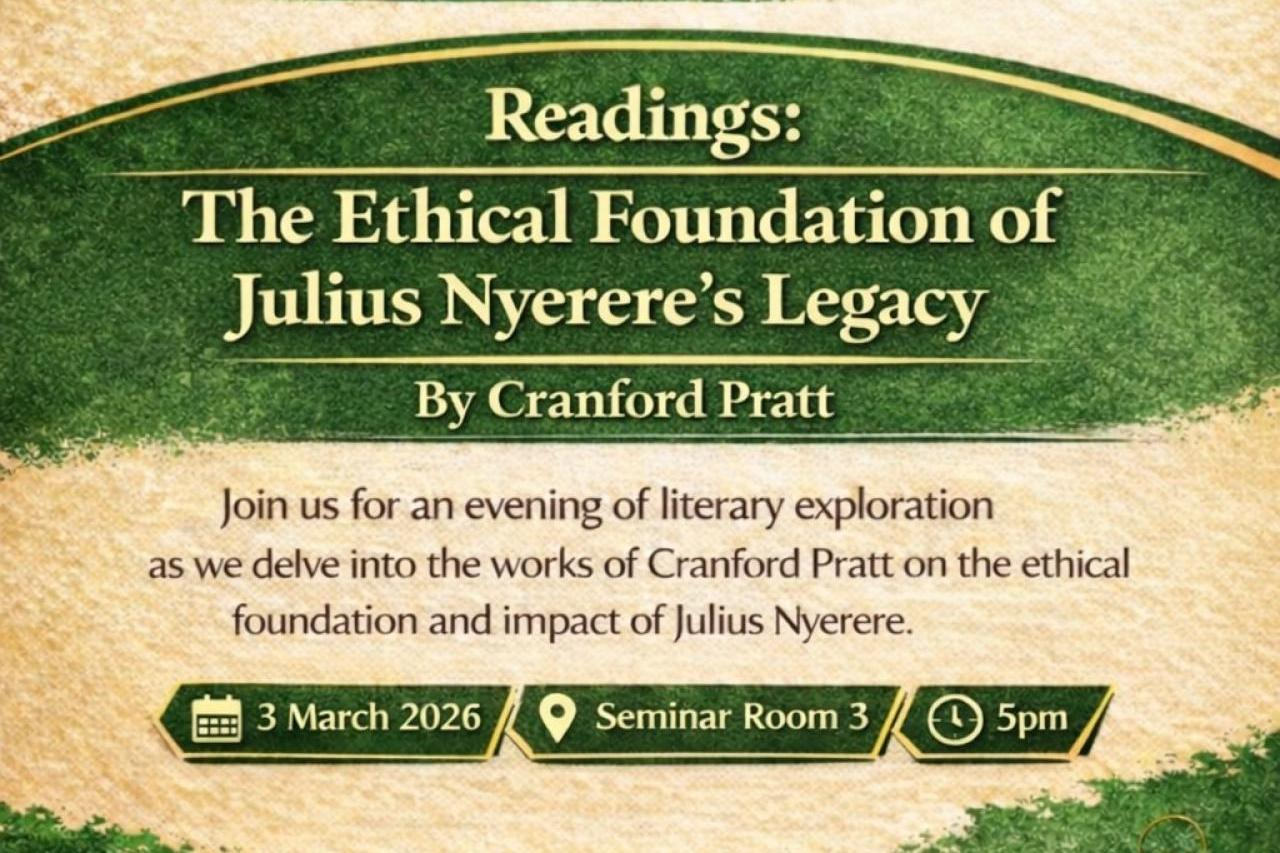
On 3 March 2026, the Avid Readers Forum convened for a reading and discussion session on Chapter 4 of The Legacies of Julius Nyerere and a substack article by Iain Parker. The session was moderated by Jimmy Wambua and Sarah Muhonja and attended by members of the forum drawn from Kabarak Law School, including Prof. Oluyemisi Bamgbose and Mr Cedric Kadima. With Parker’s article providing context, Pratt’s chapter explored key dimensions of Julius Nyerere’s intellectual, political and social legacy, with particular attention to his philosophy of leadership, education, and nation-building. Prior to the reading, the moderators provided brief contextual remarks on Nyerere’s role as Tanzania’s founding president and his enduring influence on African political thought and his emphasis on ethical leadership and collective responsibility.
The Contribution of Alliance High School to the Leadership of Post-Colonial Kenya
Session Overview
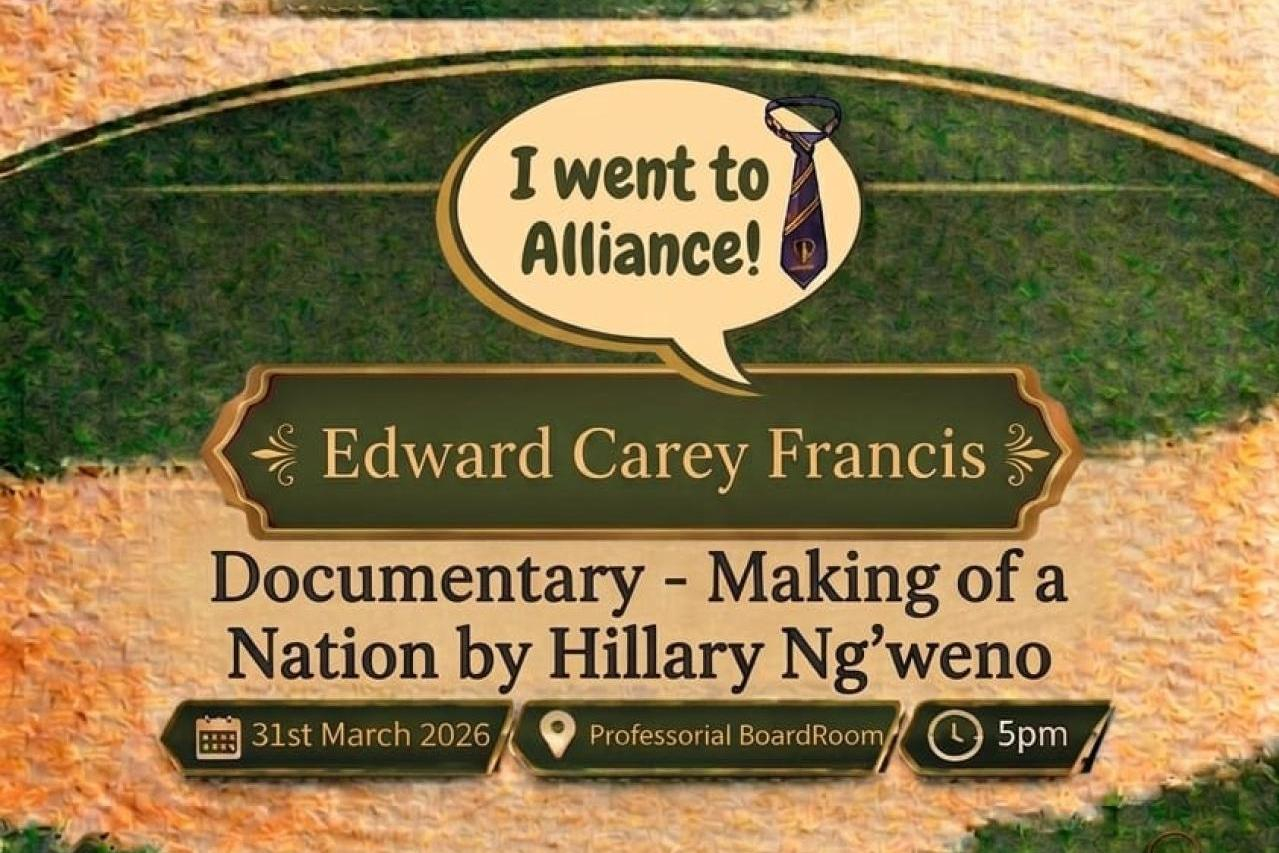
On Tuesday, 31st March, 2026, we, the members of the Avid Readers Forum converged at the Professorial Boardroom in our prestigious law school for the final Agora session of the semester. The meeting featured an audio-visual presentation, ‘Making of a Nation’, a documentary by Hillary Ng’weno centered on the legacy of Alliance High School (AHS) and its long-term impact on Kenyan governance. We held a discussion on the historical influence of Alliance High School on the leadership and political landscape of Kenya, noting that AHS celebrated its centenary on 1st March, 2026.
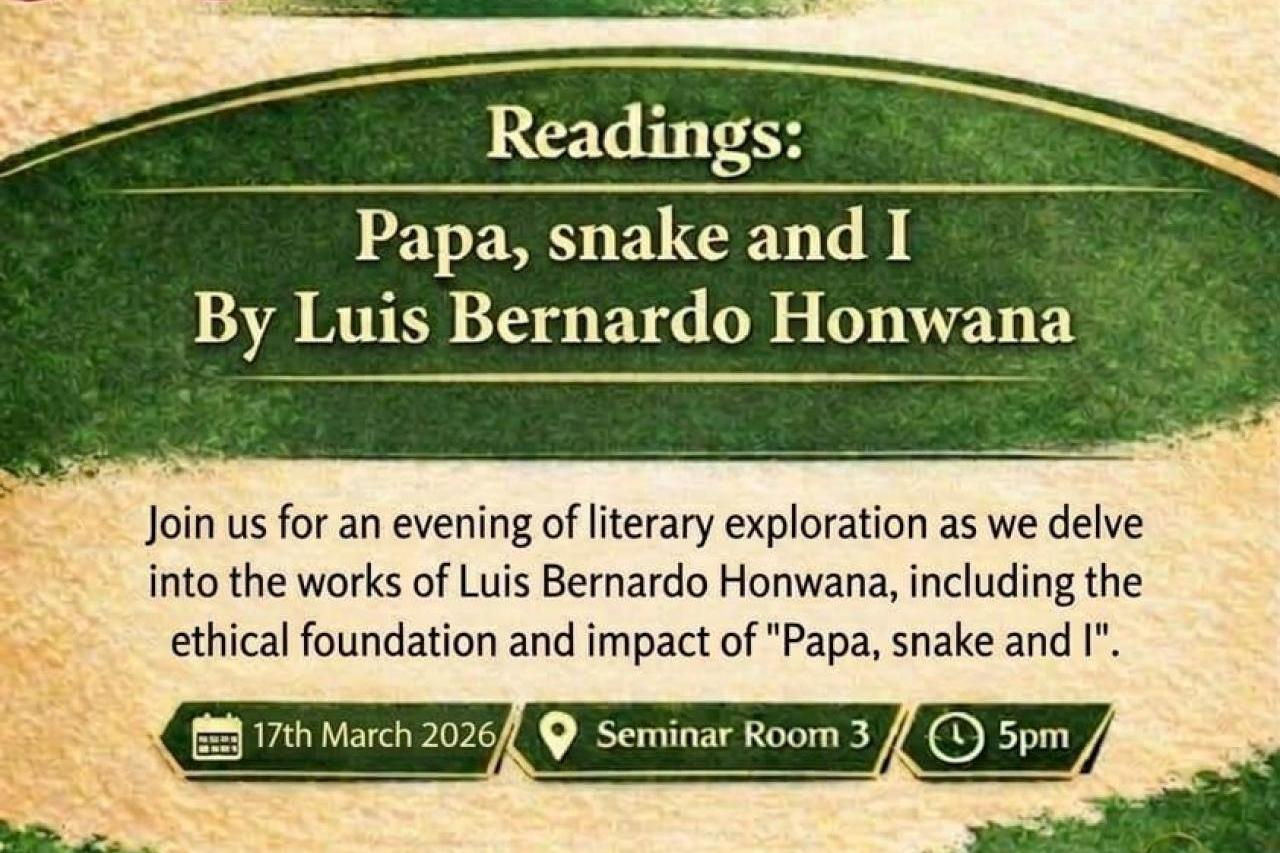
This report presents a structured account of the Avid Readers’ session on the short story ‘Papa, Snake and I’, moderated by Billheart Braxtone on 17 March 2026. The session focused on analysing the major events, themes, and lessons derived from the narrator’s encounters with the snake referred to as “Snake.” The discussion examined how the narrator’s perception evolves from fear to understanding through repeated observation of the snake’s behaviour.
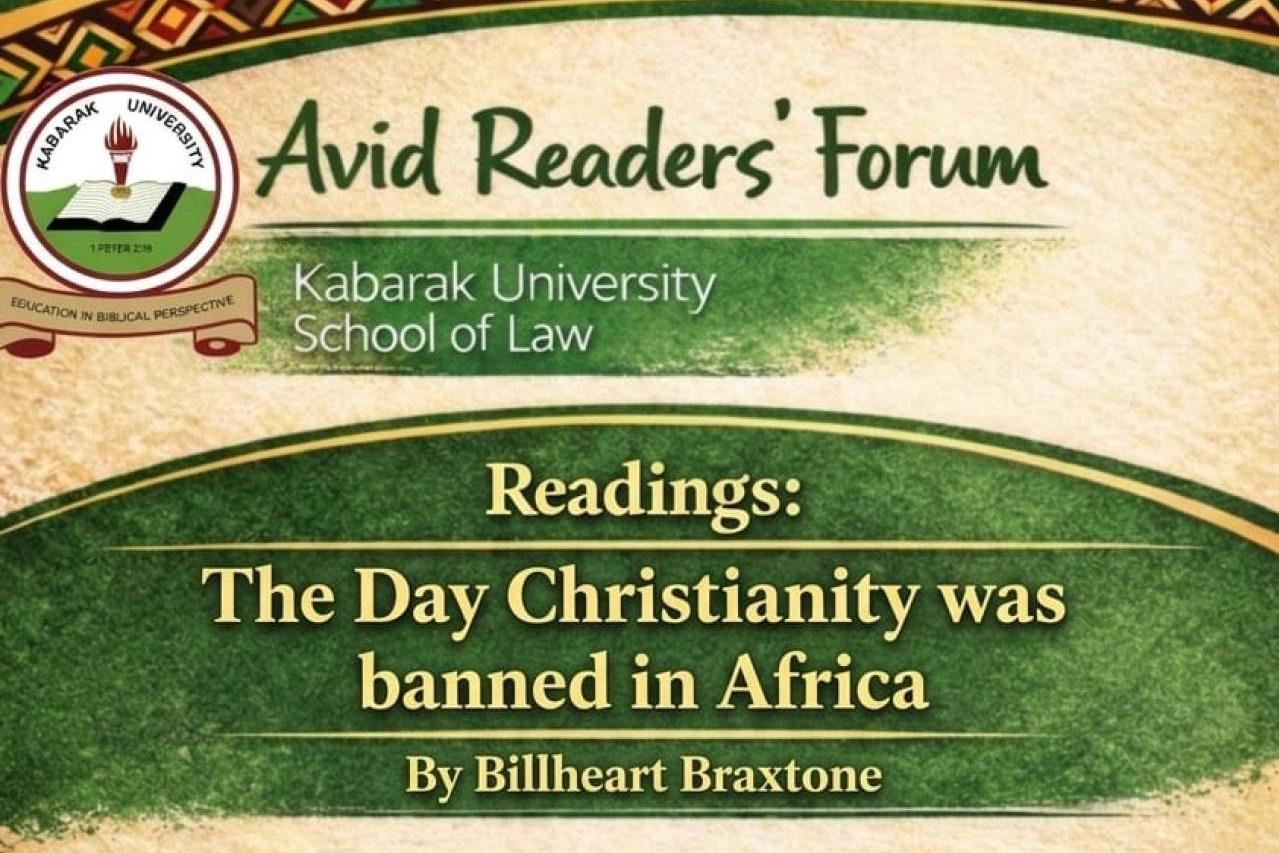
When it comes to outshining themselves, Kabarak Law Students seem to have a knack. Sharing a stage with a seasoned Kenyan artist during the Cultural Week Gala Night pales in comparison with having your writing dominate the subject of discourse in the same arena as renowned authors such as Chinua Achebe. Our very own Billheart Braxtone shared in this honor when discussions of the Avid Readers’ Forum were directed by his The Day Christianity was Banned in Africa.
As members of Kabarak University family, we purpose at all times and in all places, to set apart in one s heart, Jesus as Lord. (1 Peter 3:15)
Located 20 Kilometres (12mi) from Nakuru City CBD, along the Nakuru Eldama Ravine road.
P.o private bag 20157, Kabarak.
Admissions Inquiry: admissions@kabarak.ac.ke
General Inquiry: info@kabarak.ac.ke
ICT HelpDesk: icthelpdesk@kabarak.ac.ke
Accomodation: accommodation@kabarak.ac.ke
General Inquiry: 0729223370
Admissions: 0202114658
Student Finance: 254705184373
Accommodation: 254773552932
Emergency Hotline: 0110009277