
Distinguished global faculty, pioneering curricula, international partnerships and world-class infrastructure position Kabarak University as an emerging powerhouse in African legal education.
Kabarak University has reached a significant milestone in advancing legal education after the Council of Legal Education (CLE) accredited five postgraduate law programmes, effective 13 October 2026.
The accreditation marks a major step in the University's ambition to establish itself as a leading African centre for legal scholarship, judicial science, dispute resolution and professional excellence. The programmes respond to the evolving demands of justice systems, governance, constitutional development, and conflict resolution across Africa and beyond.
The newly accredited programmes are:
- Master of Laws in Judicial Science
- Executive Master of Laws in Judicial Science
- Master of Laws in Dispute Resolution
- Executive Master of Laws in Dispute Resolution
- Master of Philosophy in Dispute Resolution
The programmes go beyond expanding the University's academic portfolio. They introduce a forward-looking approach to postgraduate legal education, equipping scholars and practitioners to address contemporary challenges in constitutionalism, governance, peacebuilding, justice and technological transformation.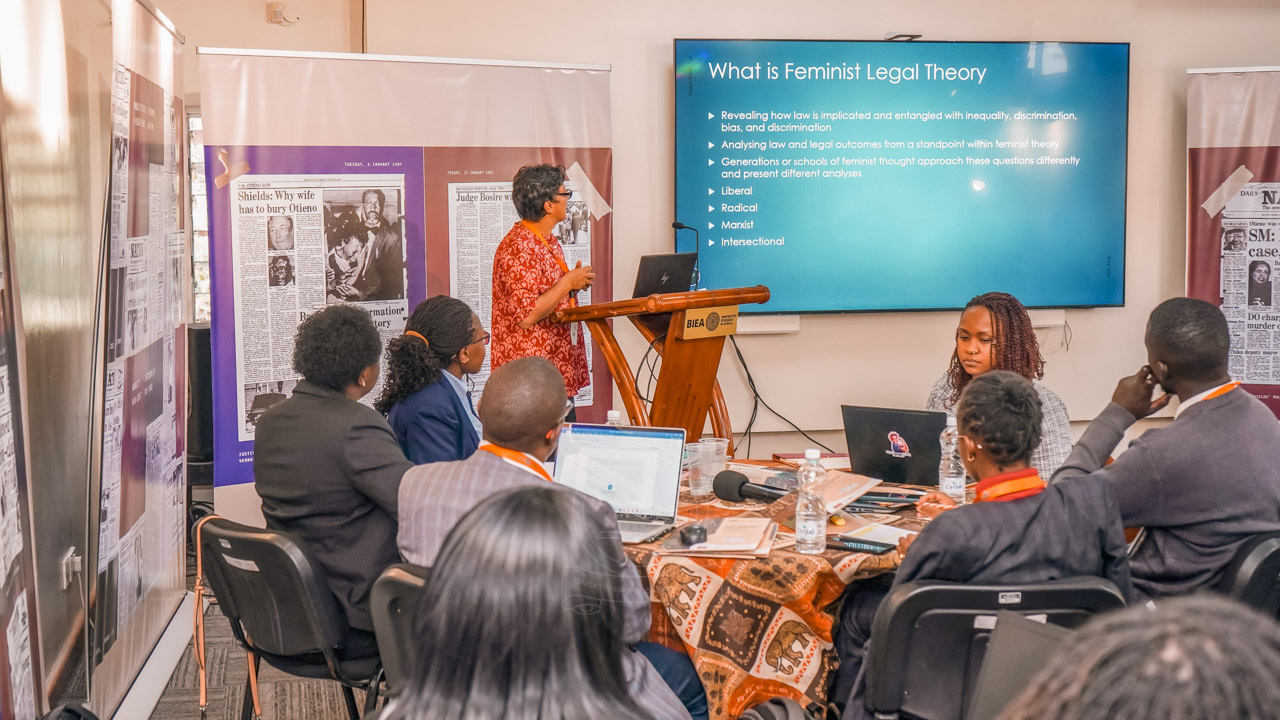
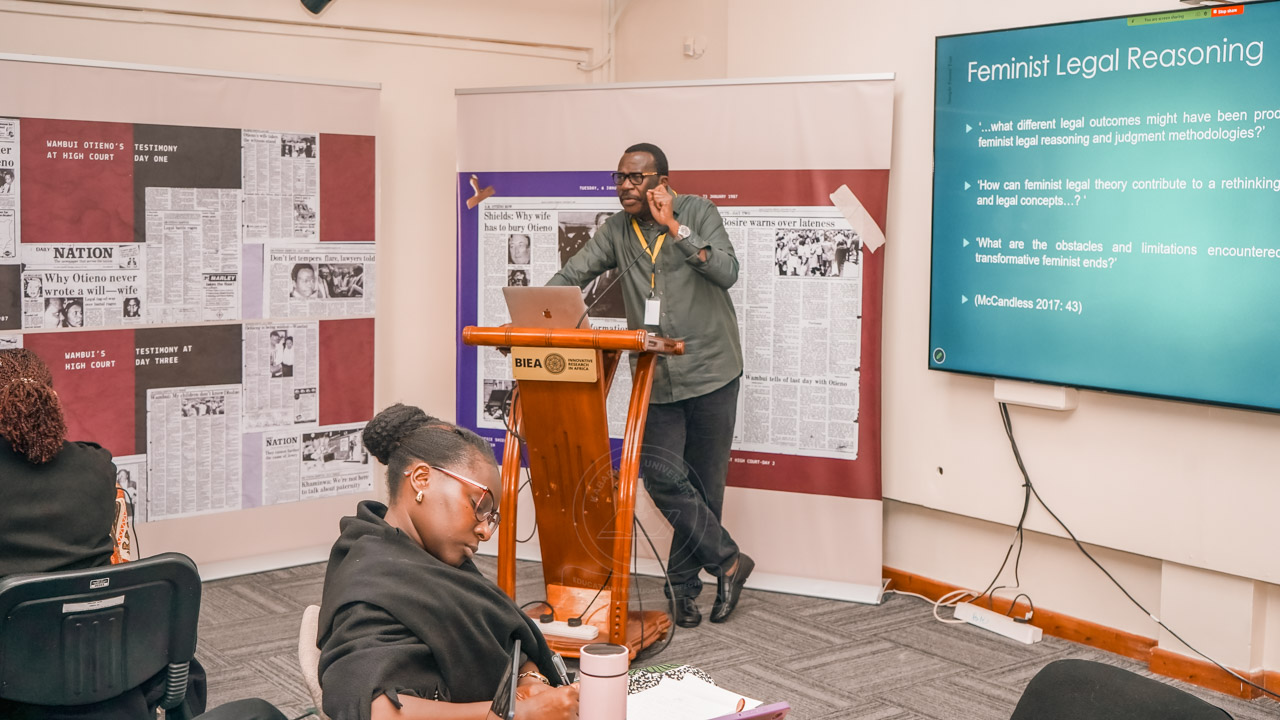
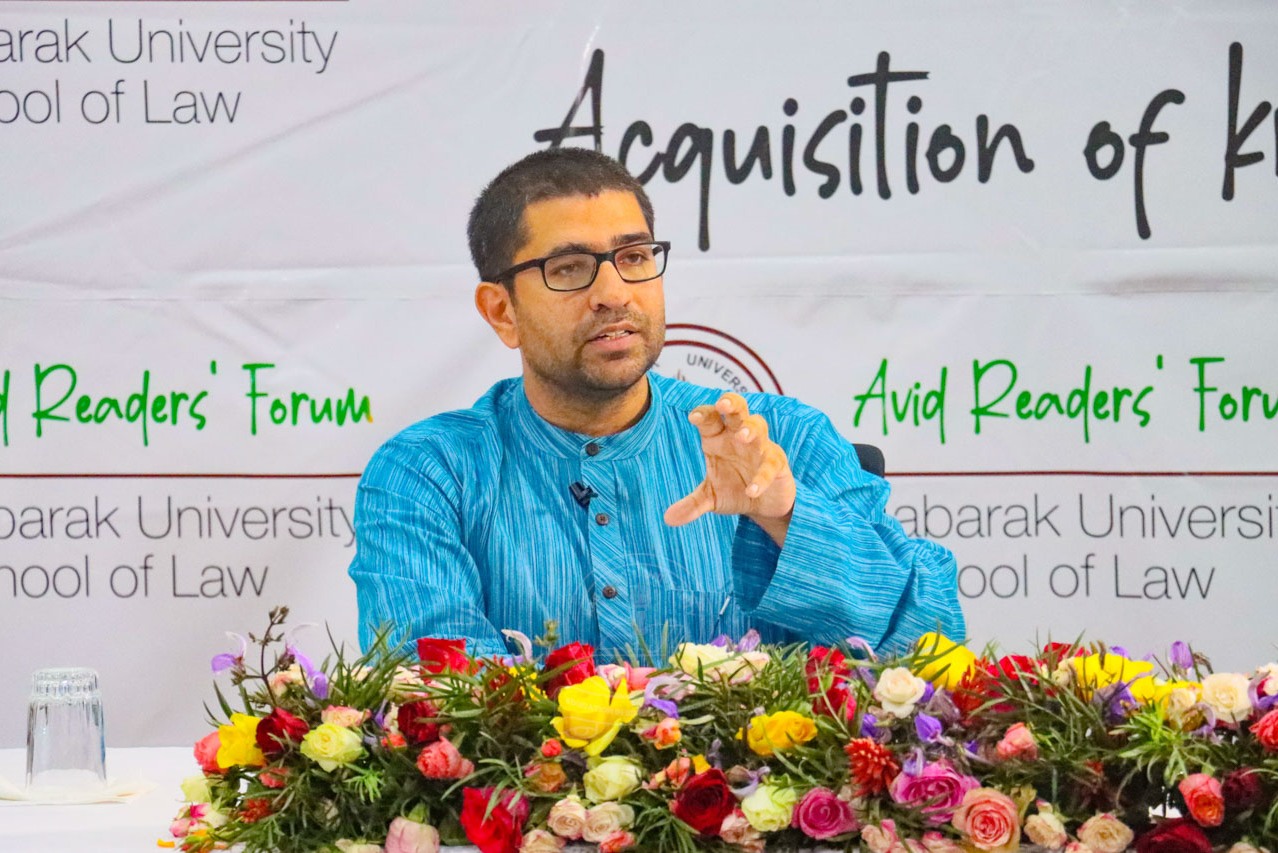
Prof Ambreena Manji during the Feminist Judgement Project Module
Reimagining Legal Education for a Changing Africa
The Judicial Science programmes place transformative constitutionalism at the centre of advanced legal studies. They examine the role of courts, judges and legal institutions in advancing democracy, human dignity, equality and social transformation.
The Dispute Resolution programmes integrate negotiation, mediation, arbitration, alternative justice systems and technology-enabled dispute resolution. This multidisciplinary approach prepares professionals to manage complex disputes across different jurisdictions, cultures and legal traditions.
Together, the programmes reflect a broader vision of African legal scholarship: moving beyond the consumption of knowledge developed elsewhere to actively producing ideas, research and approaches that influence the future of law and justice.
Distinguished Faculty and World-Class Scholarship
A defining feature of the programmes is the calibre of scholars, judicial officers and legal practitioners who will contribute to teaching and mentorship.
The faculty includes Prof. Willy Mutunga, former Chief Justice of Kenya; Justice (Dr.) Smokin Wanjala, Judge of the Supreme Court of Kenya; Prof. Chidi Anselm Odinkalu, renowned human rights scholar and academic at Tufts University, USA; Prof. Ambreena Manji of Cardiff University; Prof. Gautam Bhatia, distinguished constitutional scholar; Prof. Leïla Choukroune, internationally recognised scholar of international economic law; Prof. Mwiza Nkhata of the African Court on Human and Peoples' Rights; Prof. Steve Ouma Akoth, Vice-Chairperson of Kenya's National Task Force on Alternative Justice Systems; and Elisha Ongoya, Senior Counsel and leading constitutional litigator.
The Dispute Resolution programmes will also draw on the expertise of international scholars and practitioners, including Prof. Mary Lou, Prof. Daniel Erdmann, Mr. Rahim Shamji and Dr. Ademola Bamboshe, alongside specialists in negotiation, mediation, arbitration and digital dispute resolution.
This distinguished faculty will provide students with direct engagement with leading voices in legal scholarship and practice, creating an environment where academic inquiry is closely connected to the institutions and individuals shaping the future of justice.

Innovative Teaching Already Taking Shape
The University's vision for postgraduate legal education is already being translated into practice.
In September 2026, the School of Law successfully delivered a pilot module on Feminist Judgments, bringing together judicial officers, scholars and legal practitioners from across Africa to examine judicial decision-making through feminist perspectives.
Building on this initiative, the School is scheduled to offer a pioneering module on Transformative Constitutionalism later in November 2026. The module will explore the promises, contradictions and transformative possibilities of constitutionalism in Africa and the Global South.
These initiatives demonstrate the School's commitment to innovative teaching methods, critical legal inquiry and learning experiences that connect academic scholarship with real-world judicial and professional practice.
African Roots, Global Reach
Strategic partnerships are central to the University's development of these programmes. Through collaborations with Cardiff University, the Kenya Judiciary Academy, Katiba Institute and ADR ODR International, Kabarak University is creating a postgraduate learning environment that connects African legal experiences with international scholarship and professional practice.
The partnership with ADR ODR International presents opportunities for students in Dispute Resolution to integrate internationally recognised professional qualifications, including the Diploma in Digital Dispute Resolution, into their postgraduate studies.
The programmes will adopt flexible, blended and modular learning approaches, combining intensive residential sessions with technology-enabled instruction. The Executive Master's programmes are particularly suited to judges, advocates, senior public officials, business leaders and other professionals seeking advanced legal training while continuing in their careers.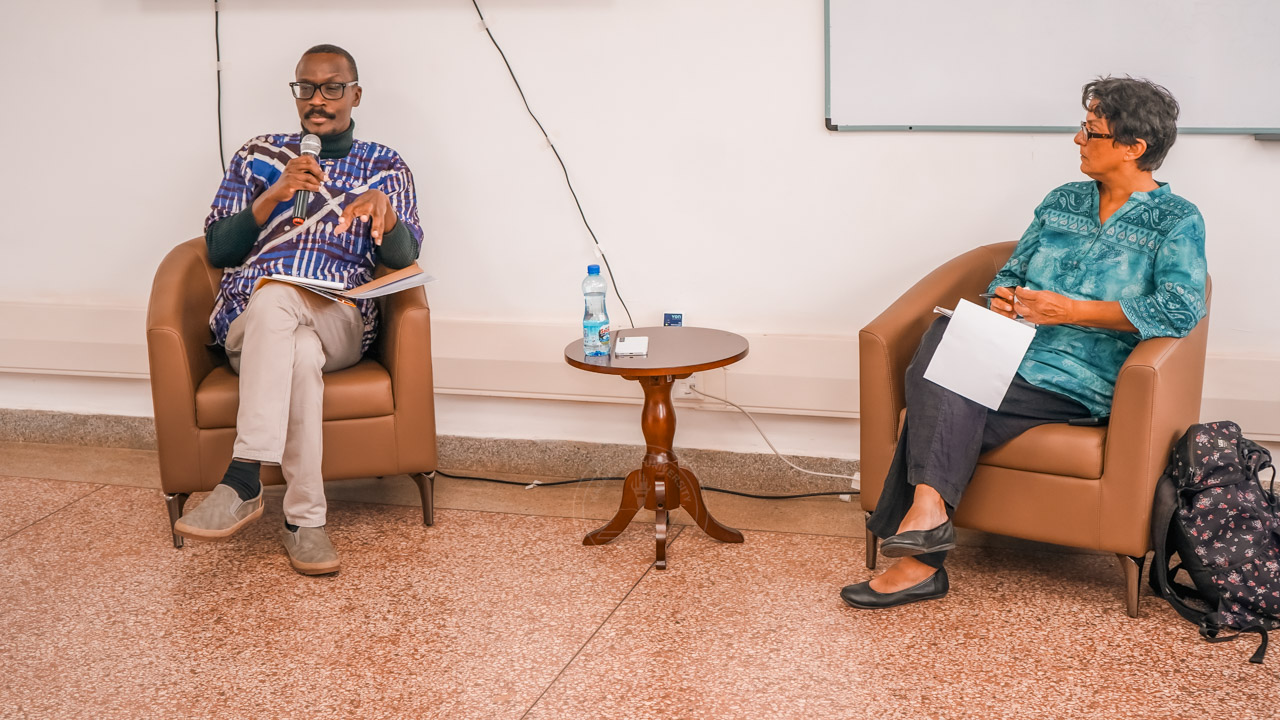
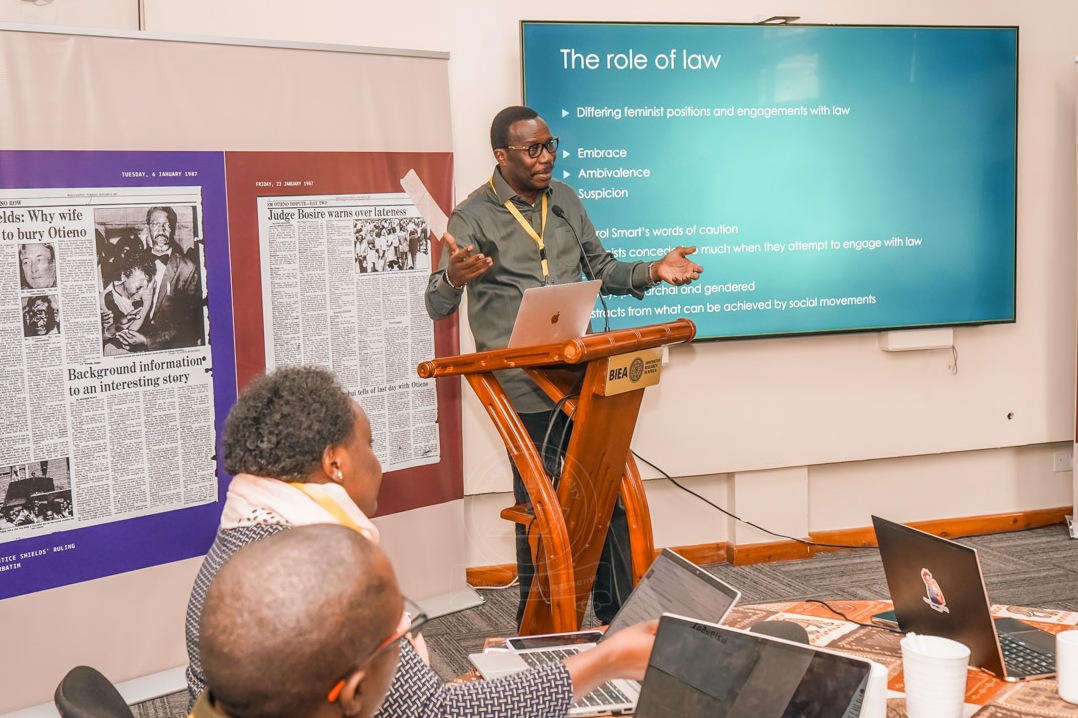
Prof J Osogo Ambani and Prof Ambreena Manji teaching on the pilot module of the Master of Laws, Judicial Science.
Purpose-Built Infrastructure for Advanced Legal Learning
To support the ambition of the new programmes, Kabarak University is investing in specialised postgraduate infrastructure, including a dedicated postgraduate centre at the School of Law.
The planned facilities will feature modern executive classrooms, seminar spaces and technology-enabled learning environments designed to support advanced scholarship, professional engagement and collaborative learning.
The investment reflects the University's commitment to providing an academic environment that complements the quality of its faculty, the depth of its curricula and the professional needs of postgraduate students.
A Milestone in the University's Pursuit of Academic Excellence
The accreditation of the five programmes culminates in a sustained process of curriculum development, international benchmarking, strategic partnership building and regulatory engagement.
Vice-Chancellor Prof. Henry K. Kiplangat has welcomed the achievement as a significant milestone in the University's pursuit of academic excellence and international distinction.
The accomplishment also reflects the vision and leadership of the Dean of the School of Law, Prof. John Osogo Ambani, and his team, working alongside dedicated academics, administrators and international partners.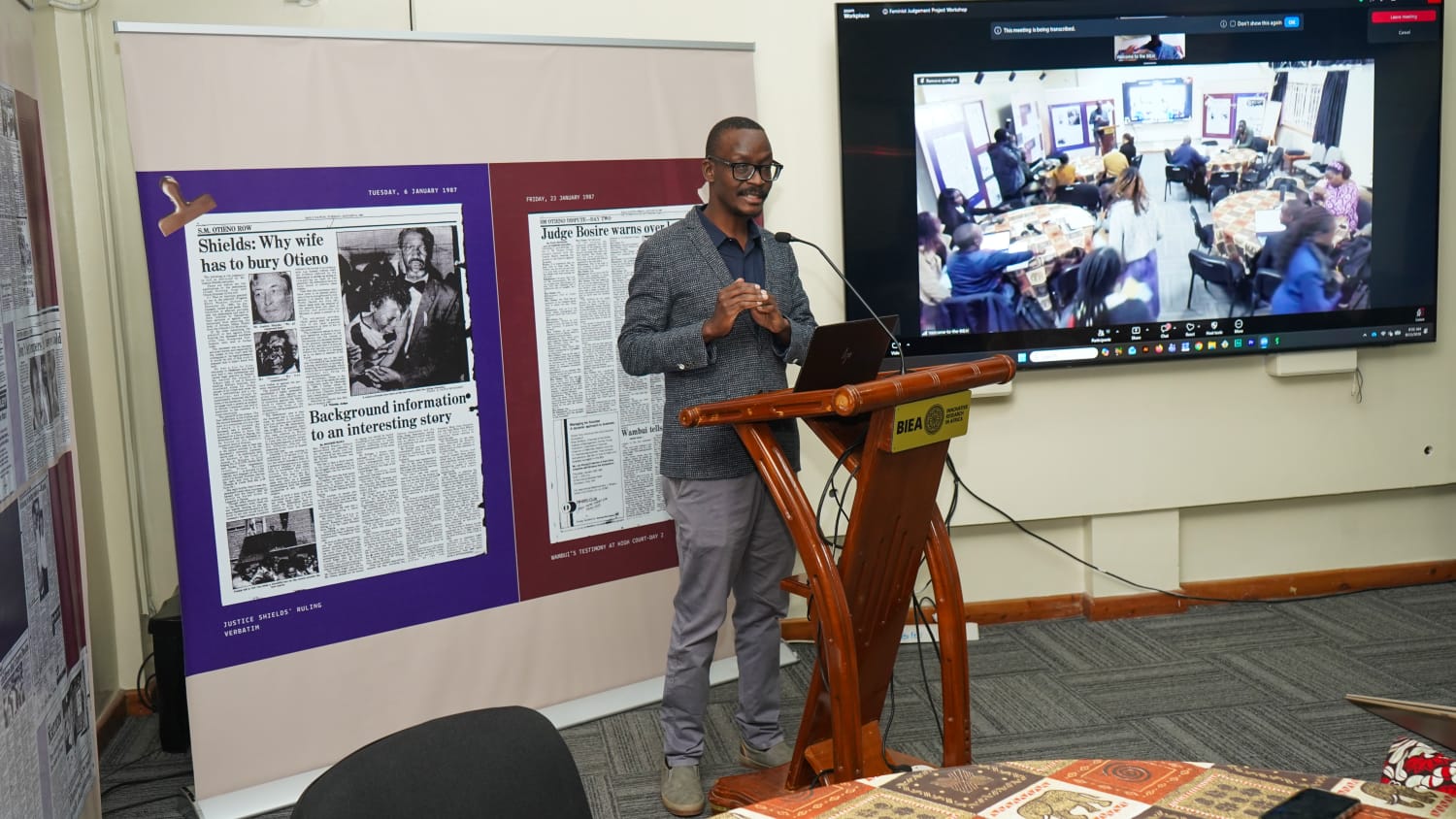
Prof J Osogo Ambani during the Feminist Judgments Project Module in September 2026
While accreditation marks an important achievement, it also opens a new chapter in the University's academic journey. The broader ambition is to establish Kabarak University as a leading meeting point for Africa's legal minds, where scholarship informs practice, African legal traditions engage critically with global perspectives, and future legal leaders are equipped to address the complex challenges facing contemporary justice systems.
With five newly accredited postgraduate programmes, distinguished international faculty, innovative curricula, strategic partnerships, and specialised learning infrastructure, Kabarak University is positioning itself at the forefront of postgraduate legal education in Africa.