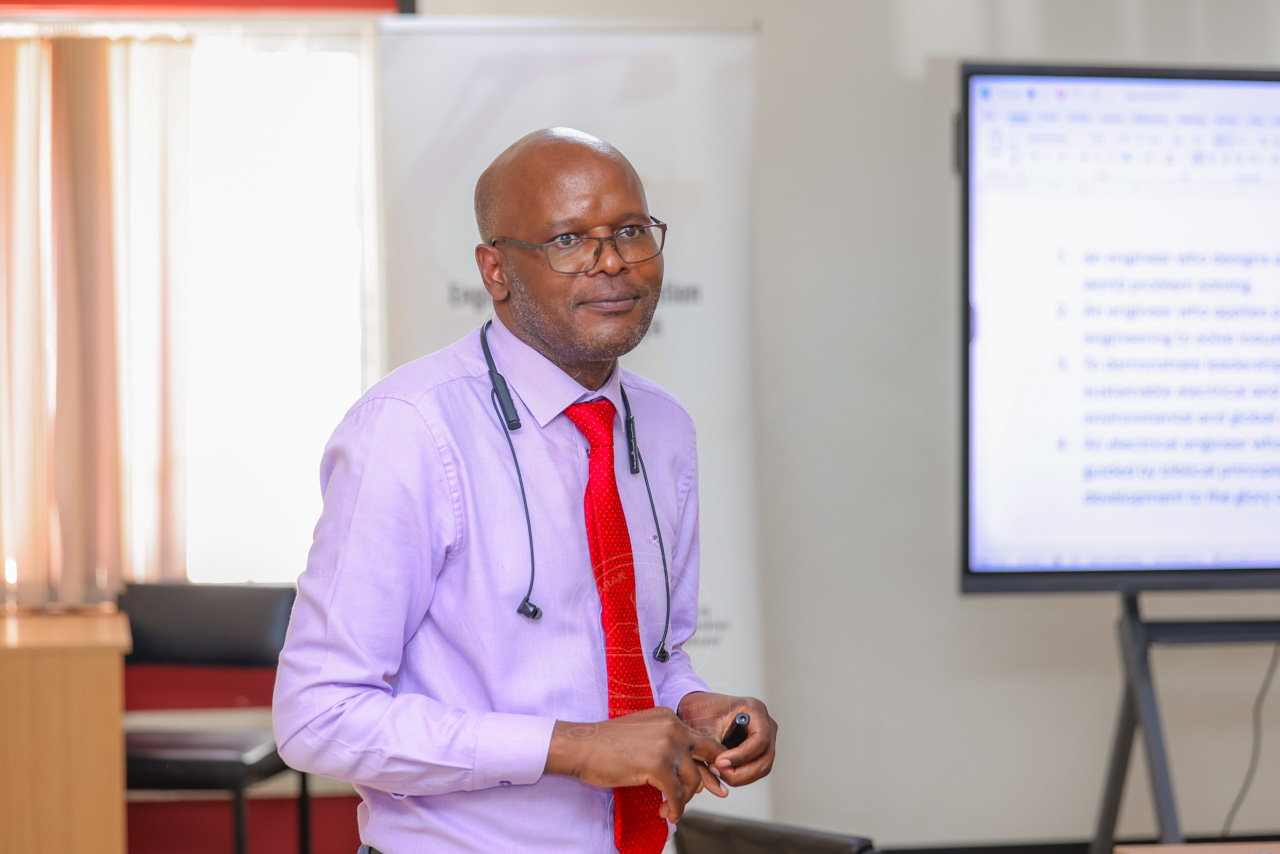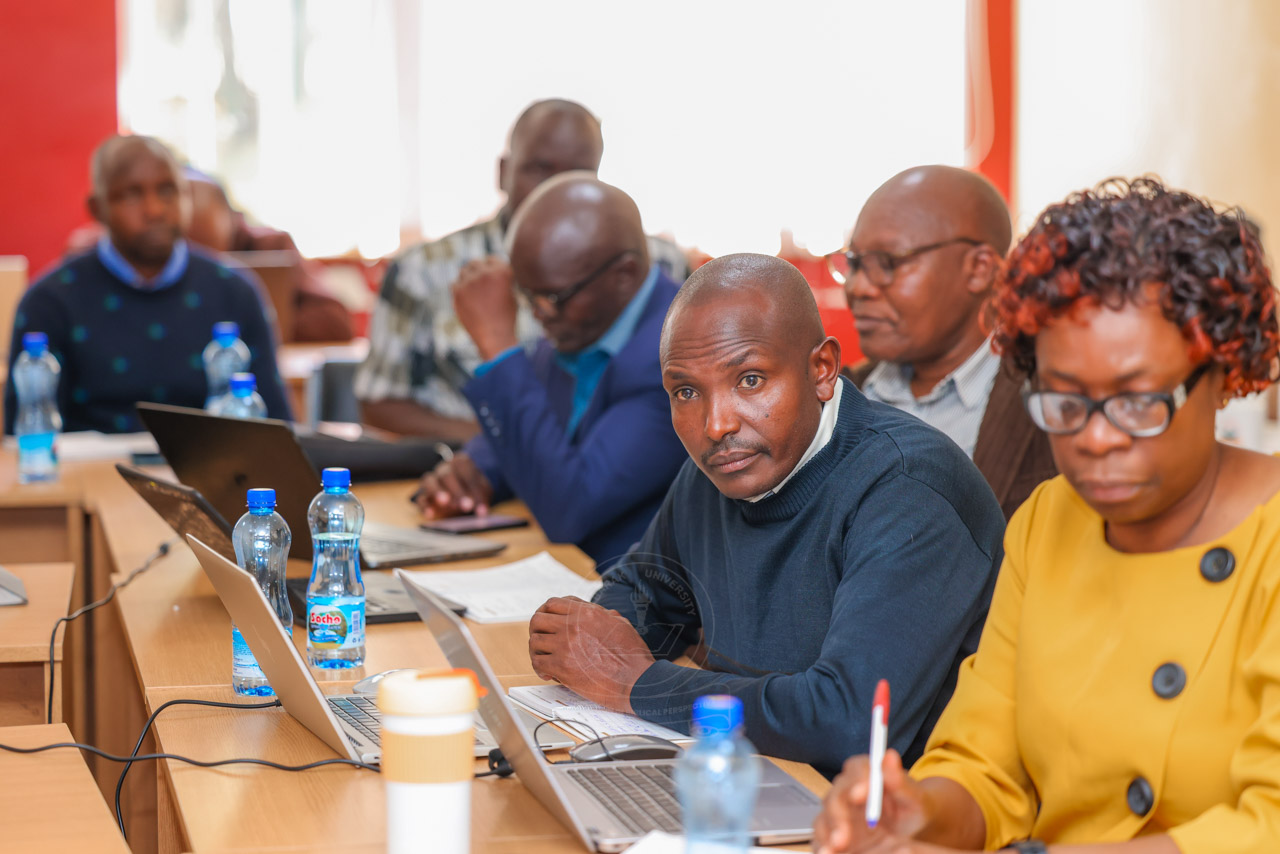


Efforts to shape globally competitive engineering graduates took centre stage this week as academics and industry experts gathered for an intensive curriculum development workshop to strengthen engineering education in Kenya. The five-day training brings together faculty members, accreditation experts, and engineering professionals in a collaborative process focused on developing a robust and internationally aligned Bachelor of Science in Engineering programme.
The School of Science, Engineering and Technology (SSET) at Kabarak University is hosting the intensive workshop from Monday, 25 May to Friday, 29 May 2026. The programme is being facilitated by the Engineering Board of Kenya (EBK) through its Engineering Accreditation Committee as part of ongoing efforts to support quality engineering education and accreditation standards in institutions of higher learning.

Led by Prof. Christopher Maghanga and Dr Elizabeth Okumu, the SSET team is working closely with experienced facilitators, including Eng. Paul Ochola, Eng. Grace Onyango, and Eng. Gabriel Jabongo. The sessions are focused on building a strong academic framework that supports professional excellence, innovation, and industry relevance in engineering training.
The workshop is designed to align the University’s proposed electrical engineering programme with Outcome-Based Education (OBE) principles and the standards of the Washington Accord, a globally recognised benchmark for engineering accreditation. Throughout the training, faculty members are engaging with key areas such as engineering regulatory frameworks in Kenya, curriculum mapping, programme educational objectives, and continuous quality improvement processes.

Practical working sessions have also allowed participants to draft and refine course templates, develop programme outcomes, and conduct gap analyses to ensure the curriculum meets both local industry expectations and international standards.
Speaking during the sessions, the facilitators noted that the initiative goes beyond meeting accreditation requirements. They emphasised the importance of equipping universities with the tools and knowledge needed to train engineers who are innovative, adaptable, and capable of addressing modern technological challenges.